
Temperature measurement
-
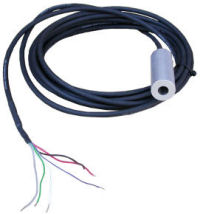
An Infra-red temperature sensor for non-contact measurement – SI-111
SKU: SI-111 -
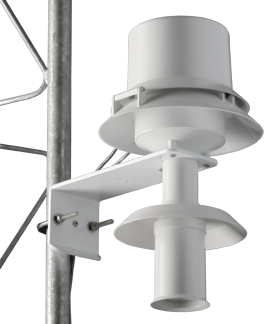
Compact aspirated radiation shield – 43502
SKU: 43502 -
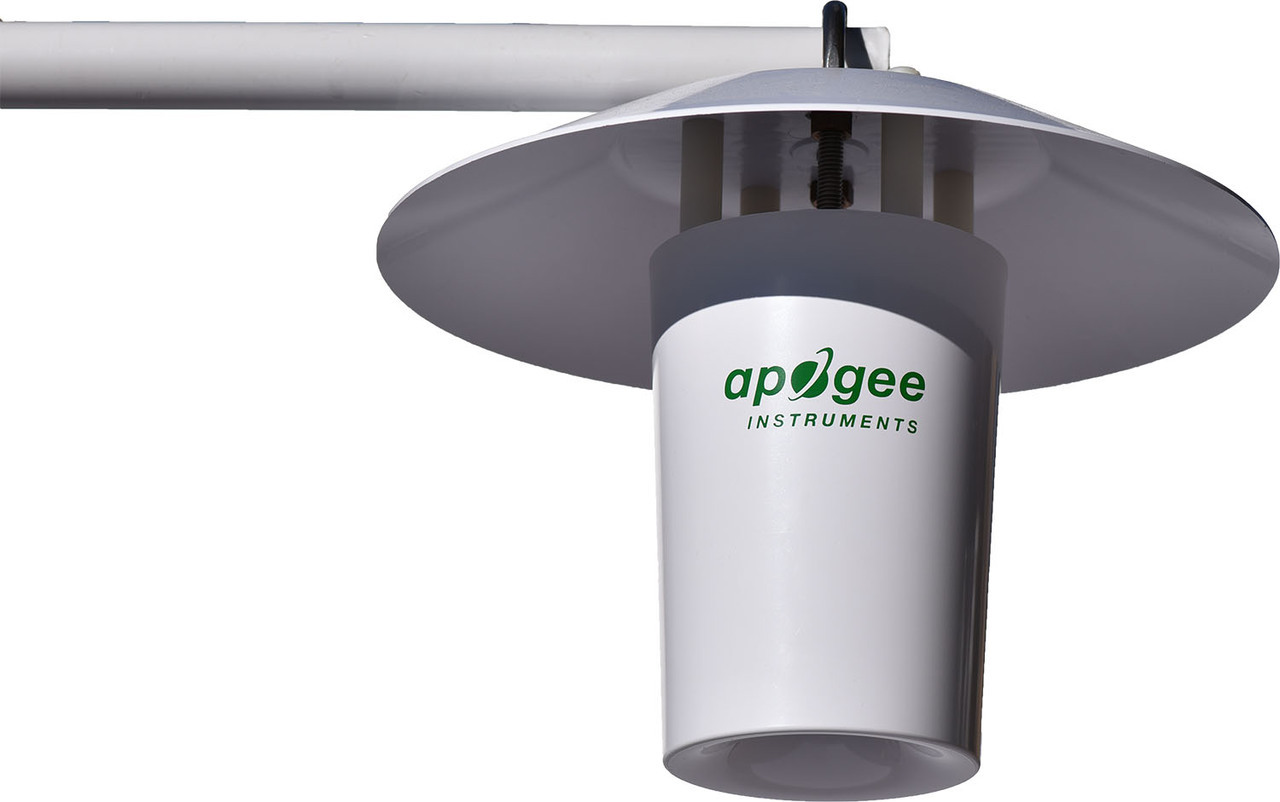
Compact Aspirated Radiation Shield – TS-100
SKU: TS-100 -
Infrared Radiometer Sensor – SI-411-SS
SKU: SI-411-SS -
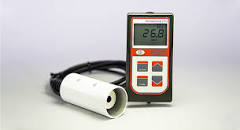
Infrared Radiometer with Handheld Meter – MI-210,MI-220,MI-230
SKU: MI-210,MI-220,MI-230 -
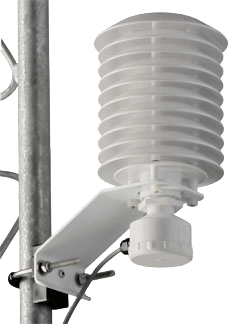
Naturally aspirated radiation shield – 41003/41303
SKU: 41003/41303 -
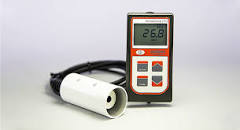
Non-Contact Temperature Sensor
SKU: MI-2H0 -
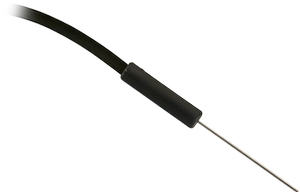
Temperature Probe for Harsh Environments – 109SS
SKU: 109SS -
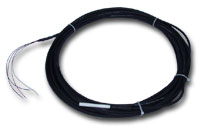
temperature sensor – 107/108
SKU: 107/108 -
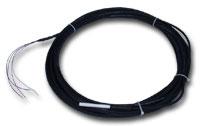
temperature sensor – 109
SKU: 109 -
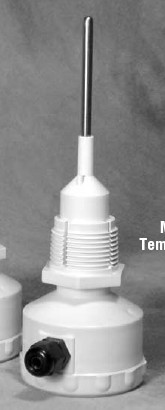
temperature sensor – 41342
SKU: 41342 -
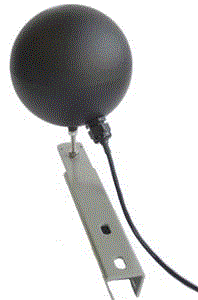
Temperature Sensor for Measuring Heat Stress – BLACKGLOBE
SKU: BLACKGLOBE
Professional temperature meters are used for accurate measurement, monitoring and recording of the temperature of air, surfaces, liquids, soil, equipment and industrial processes. Temperature measurement is a key component of quality control, safety, automation, maintenance, meteorology, agriculture, research and infrastructure management systems.
Unlike household thermometers designed for spot checks, industrial temperature meters must operate over long periods, withstand demanding environmental conditions and deliver reliable data that can be integrated into control systems, weather stations, data loggers and remote monitoring systems.
Choosing a professional temperature meter is not based on measurement range alone. You also need to consider accuracy, sensor type, response time, environmental conditions, installation method, the type of material being measured, the data transmission method and calibration and maintenance requirements.
Meteo-Tech supplies a wide range of professional temperature meters and sensors for companies, factories, research institutions, infrastructure operators, weather stations, local authorities, agricultural companies and organizations that need accurate, continuous measurement in field, laboratory and industrial conditions.
What Is a Professional Temperature Meter?
A professional temperature meter is an instrument or sensor that measures the thermal energy level of a material, surface or environment and converts it into a value that can be displayed, recorded or transmitted to another system.
Measurement can be performed through direct contact with the measured material or without contact. In contact-based instruments, the sensor is located in the air, liquid, soil or product. In non-contact systems, the thermal radiation emitted from the surface is measured with an infrared sensor.
Depending on the model and application, a temperature meter can show the reading on a local display, store data in internal memory, send an electrical signal to a controller or transmit the information to a central monitoring system.
Advanced systems allow you to set upper and lower limits, receive an alert when a limit is exceeded, generate graphs and reports and analyze temperature changes over time.
The Importance of Temperature Measurement in Industry
Temperature affects almost every physical, chemical or biological process. A small change in temperature can affect product quality, reaction rate, raw material stability, energy consumption, equipment service life and worker safety.
In production systems, temperature data is used to control heating, cooling, drying, storage, transport and processing. Exceeding the permitted range can result in reduced quality, loss of raw materials, production line downtime or a safety hazard.
Continuous measurement makes it possible to detect a change before significant damage occurs. When the sensor is connected to a control system, fans, heating elements, chillers, pumps, ventilation systems or emergency mechanisms can be activated automatically.
Main Types of Professional Temperature Meters
Air Temperature Sensors
Air temperature sensors are used to monitor atmospheric conditions inside buildings and in open areas. They can be installed in weather stations, warehouses, controlled rooms, greenhouses, production facilities, logistics centers and air-conditioning systems.
For outdoor measurements, it is important to protect the sensor from direct sunlight, precipitation and heating caused by nearby surfaces. For this purpose, the sensor can be installed inside a radiation shield or a meteorological screen, which allows air to flow and reduces the effect of radiation on the measurement result.
A sensor that is not properly protected may display the temperature of the sensor body rather than the true air temperature. Installation is therefore an integral part of measurement quality.
Industrial Contact Temperature Sensors
Contact sensors measure temperature through direct contact with the material or area being measured. They can be inserted into liquids, tanks, pipes, soil, raw materials, machinery and process systems.
The sensor can be permanently installed as part of a control system or used as a portable probe for spot checks. The probe's design, length, diameter and material must suit the process and the working conditions.
In industrial applications, check the sensor's resistance to pressure, vibration, humidity, chemicals, corrosion and extreme temperatures.
Non-Contact Temperature Sensors
Infrared sensors make it possible to measure surface temperature without touching the object. They detect the thermal radiation emitted from the surface and convert it into a temperature reading.
Non-contact measurement is particularly suitable when the surface is very hot, moving quickly, located at a distance, dangerous to access or liable to be contaminated by contact with a probe.
Applications include monitoring machinery, conveyors, motors, electrical panels, furnaces, pipes, manufacturing processes, energy facilities and outdoor surfaces.
It is important to match the distance-to-spot ratio and check the emissivity of the surface. Shiny or reflective surfaces may require special adjustment to obtain a reliable result.
Temperature Meters for Corrosive Environments
In environments containing chemical vapors, salts, acids, high humidity or corrosive substances, a sensor with a suitable design and protective materials is required.
Sensors for corrosive environments are usually made of resistant materials such as stainless steel or materials with a dedicated coating. They are suitable for the chemical industry, water treatment plants, desalination plants, wastewater plants, marine areas, agriculture and processes in which the sensor is exposed to aggressive substances.
Choosing such a sensor requires checking the chemical compatibility between the probe material and the environment in which it will be installed.
Portable Temperature Meters
A portable temperature meter is suitable for technicians, maintenance staff, engineers, quality control personnel and field workers who need to carry out tests at different locations.
The instrument can connect to different types of probes and be used to test air, surfaces, liquids, pipes and equipment. Some instruments include internal memory, minimum and maximum value display, averaging and an alert when a limit is exceeded.
A portable meter is suitable for periodic inspections, troubleshooting, preventive maintenance, comparison between measurement points and performance testing of heating and cooling systems.
Temperature Meters with Data Logger
A temperature meter with a data logger records readings at defined time intervals and stores them in internal memory or in an external system.
Continuous recording makes it possible to identify trends, fluctuations and deviations that cannot always be detected with a spot check. For example, a product stored in a warehouse may be exposed to an abnormal temperature during the night, even though conditions are normal at the time of the manual check.
Data loggers can be used in warehouses, cold rooms, laboratories, greenhouses, electrical cabinets, energy facilities, vehicles and transport systems.
Depending on the system, the data can be downloaded to a computer, displayed with software, exported to a file or transferred automatically to the cloud.
Combined Temperature Sensors
Many applications require temperature to be measured together with additional parameters. Combined sensors are therefore available for measuring temperature and relative humidity, temperature and pressure, soil temperature and soil moisture, or several meteorological variables in a single instrument.
A combined sensor can simplify installation, reduce the number of cables and consolidate several measurements in a single system. However, make sure that each parameter is measured with the accuracy and range required by the application.
Common Temperature Measurement Technologies
Resistance Temperature Detectors (RTD)
RTD sensors measure temperature based on the change in the electrical resistance of a metal. One of the most common types is the Pt100 or Pt1000 platinum sensor.
These sensors are suitable for applications requiring high stability, repeatability and long-term accuracy. They are common in industry, laboratories, process control systems, weather stations and calibration systems.
The choice between a 2-wire, 3-wire or 4-wire connection affects the ability to compensate for cable resistance and the overall accuracy.
Thermocouples
A thermocouple consists of two different metals joined at a measuring point. The temperature difference generates a small voltage from which the temperature is calculated.
Thermocouples are suitable for wide temperature ranges and for processes requiring a fast response. There are different types of thermocouples, each with its own operating range, sensitivity and environmental suitability.
They are common in furnaces, machinery, heating processes, energy systems, engines and high-temperature industrial applications.
Thermistors
A thermistor is a component whose electrical resistance changes significantly with temperature. It offers high sensitivity within a defined range and is well suited to compact instruments, control systems and environmental sensors.
Its operating range is usually narrower than that of a thermocouple, but within the appropriate range it can provide a good response and high accuracy.
Infrared Sensors
Infrared sensors measure the radiation emitted from a surface. They enable fast, non-contact measurement, but the quality of the result depends on the distance, spot size, angle, ambient temperature and surface characteristics.
They do not measure the internal temperature of the material but rather the temperature of the surface within the sensor's field of view.
Industrial Applications of Temperature Meters
Manufacturing Process Control
Many processes require a defined temperature range to be maintained. Temperature meters are used to control furnaces, tanks, filling lines, mixing systems, presses, dryers, pipes and heat exchangers.
Continuous monitoring makes it possible to detect a deviation and correct the process in real time. The data can also be used for batch documentation, fault investigation and efficiency improvement.
Preventive Equipment Maintenance
An abnormal rise in temperature may indicate friction, overload, a lubrication problem, a faulty electrical connection or a component failure.
Measuring the temperature of motors, bearings, pumps, electrical panels, transformers and mechanical systems can help detect a fault early and reduce the risk of unplanned downtime.
Heating, Cooling and Air-Conditioning Systems
Temperature meters are used to test the performance of air-conditioning systems, cold rooms, chillers, boilers, heat exchangers, air ducts and water systems.
It is possible to measure inlet and outlet temperatures, calculate temperature differences and check whether the system is operating as required.
Food and Beverage Industry
Temperature is a key parameter in the cooling, freezing, cooking, pasteurization, storage and transport of food and beverages.
Professional temperature meters make it possible to monitor raw materials, production lines, tanks, warehouses, cold rooms and transport vehicles. Recording the data supports quality control and helps maintain the defined process conditions.
Pharmaceutical and Biotechnology Industries
Raw materials, samples, medicines and biological products may be sensitive to temperature changes. Accurate monitoring is therefore required in warehouses, refrigerators, freezers, laboratories, cleanrooms and transport systems.
In these applications, accuracy, continuous recording, alerts, data backup and periodic calibration are especially important.
Chemical and Materials Industry
In chemical processes, temperature can affect reaction rate, viscosity, pressure, stability and product quality.
Choose a sensor capable of withstanding the chemicals, pressure and temperature range of the process. In a corrosive environment, the construction and sealing materials must be matched accordingly.
Water and Wastewater Facilities
Temperature sensors are used to monitor water in reservoirs, pipes, treatment plants, desalination systems, wastewater facilities and streams.
Water temperature affects biological and chemical processes and the behavior of other parameters. The measurement can be integrated into a hydrological or environmental system that includes level, flow, conductivity, dissolved oxygen and pH sensors.
Temperature Meters for Meteorology and Environmental Monitoring
Air temperature is one of the basic variables in meteorological measurements. It is used to analyze weather conditions, calculate environmental indices, conduct climate research, assess heat stress and plan field activities.
Meteorological temperature sensors can be integrated into automatic stations together with humidity meters, wind meters, rain gauges, pressure meters and radiation sensors.
For environmental monitoring, sensors can be deployed in urban areas, industrial zones, nature reserves, agricultural fields, waste facilities and research stations. A network of multiple sensors makes it possible to compare areas and identify local differences.
Temperature Measurement in Agriculture and Greenhouses
Air, soil and plant temperature affect growth rate, germination, flowering, water consumption, disease development and crop quality.
In greenhouses, temperature sensors can be connected to control systems that operate ventilation, heating, cooling, shading and irrigation. In open fields, the data is used for alerts against frost, heat stress and conditions that may damage crops.
Soil temperature measurement can help plan sowing, irrigation and fertilization. Choose a probe designed for prolonged contact with soil and resistant to moisture and outdoor conditions.
Temperature Monitoring in Solar Fields and Energy Facilities
Solar panel temperature affects system performance and output. Surface temperature sensors can be installed on the back of the panel and provide data for performance analysis.
When the data is combined with measurements of solar radiation, air temperature and wind, it is possible to evaluate the efficiency of the facility and identify anomalies.
Temperature sensors are also used to monitor transformers, inverters, electrical cabinets, energy storage systems and other components in which abnormal heating may indicate a fault.
Connecting to a Control System and Data Logger
A temperature sensor can produce different types of signals, depending on the model and the system it is intended to connect to.
The options may include:
- Pt100 or Pt1000 resistance signal
- Voltage signal
- Current signal
- Digital output
- Serial communication
- Connection to a data logger
- Connection to an industrial controller
- Wireless transmission
- Cellular or internet communication
When choosing a sensor, make sure the output type matches the existing input on the controller or data logger. Also check the cable length, the effect of resistance, power supply requirements and protection against electrical interference.
Data Available from a Temperature Measurement System
A professional system can provide extensive information beyond the current reading:
- Real-time temperature
- Minimum and maximum values
- Average temperature
- Rising or falling trend
- Time at which a deviation occurred
- Duration of the deviation
- Difference between two measurement points
- Data by hour, day, month or year
- Threshold-based alerts
- Periodic reports
- Comparison between areas or facilities
- Historical process records
This data can be integrated into management, quality control, maintenance, energy and safety systems.
How to Choose a Professional Temperature Meter?
Temperature Range
Define the lowest and highest temperatures expected in the process. It is recommended to choose a sensor suited to the full operating range and not just the normal temperature.
A sensor that constantly operates near the limit of its range may be less suitable than a sensor designed for a wider range.
Accuracy
The required accuracy varies between applications. For general maintenance, moderate accuracy is sometimes sufficient, while laboratories, the pharmaceutical industry, calibration and research require higher accuracy.
Distinguish between display resolution and measurement accuracy. A display showing tenths of a degree does not necessarily guarantee that the system is accurate to a tenth of a degree.
Response Time
Response time defines how quickly the sensor reacts to a change in temperature. A sensor with a small mass or small diameter may respond faster but be more susceptible to mechanical damage.
In fast processes, a quick response is important. For climate or storage monitoring, a slower, more stable sensor can sometimes be used.
Type of Material Being Measured
The sensor must be matched to air, liquid, soil, surface, gas or solid material. A probe suitable for liquids is not necessarily suitable for surface measurement, and vice versa.
Environmental Conditions
Check resistance to:
- Dust and water
- High humidity
- Sun and UV radiation
- Chemicals
- Corrosion
- Salinity
- Vibration
- Pressure
- Extreme temperatures
- Electrical interference
Contact or Non-Contact Measurement
Contact measurement is suitable when a sensor can be attached to or inserted into the material. Non-contact measurement is suitable for hot, moving, hazardous or inaccessible surfaces.
Keep in mind that non-contact measurement checks the surface temperature only.
Fixed Installation or Portable Instrument
A fixed system is suitable for continuous monitoring and connection to a control system. A portable instrument is suitable for spot checks, maintenance and troubleshooting.
In many cases, it makes sense to combine the two: fixed sensors for monitoring and a portable instrument for verification checks.
Recording and Communication Requirements
Decide whether only a local display is required or also data storage, alerts and remote transmission.
At remote sites, check power availability, signal quality, energy consumption and the system's backup capability.
Correct Installation of a Temperature Sensor
Sensor location directly affects the reliability of the result. An air sensor installed near a heat source, a wall, a ventilation opening or in direct sunlight may display a value that does not represent the environment.
A sensor inside a pipe or tank must be positioned in an area where it represents the material, not in an area with abnormal flow or local accumulation.
During installation, check:
- A representative measurement point location
- Insertion depth
- Proper thermal contact
- Protection from direct radiation
- Air or liquid flow around the sensor
- Appropriate sealing
- Mechanical fixing
- Cable protection
- Accessibility for maintenance
- Distance from irrelevant heat sources
Calibration of Temperature Meters
Calibration makes it possible to compare the instrument's measurement with a value provided by reference equipment and check its deviation.
Calibration frequency depends on the type of instrument, the required accuracy, the working conditions, organizational requirements and the importance of the process. A sensor exposed to shocks, extreme temperatures or a chemical environment may require more frequent checks.
In systems that include a sensor, cable, transmitter, controller and display, it is recommended to check the entire measurement chain and not just the sensing element.
Record the calibration date, test results, deviations found and actions taken as a result.
Maintenance and Functional Checks
Temperature meters require maintenance according to the environment and the sensor design. Dirt, corrosion, cable damage, moisture ingress or a loose connection can cause incorrect readings.
Possible maintenance tasks include:
- Cleaning the sensor
- Checking probe integrity
- Checking the cable and connectors
- Checking the sealing
- Comparison with a reference instrument
- Checking the display
- Checking the data logger
- Checking communication
- Verifying alerts
- Periodic calibration
- Replacing faulty components
When an abnormal reading is received, also check the sensor location and environmental conditions before concluding that there is a process fault.
Meteo-Tech supplies temperature meters, industrial sensors, infrared sensors, solutions for corrosive environments, data loggers and monitoring systems for industry, meteorology, agriculture, research, infrastructure and environmental quality.
The Meteo-Tech team helps select a solution suited to the application, site conditions and measurement requirements, taking into account integration with control systems, installation, data recording, calibration and long-term maintenance.