
Air Monitoring
-
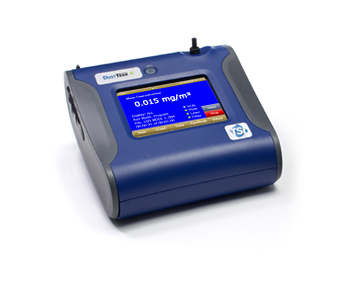
Air Monitoring 8530
SKU: DUSTTRAK II AEROSOL MONITOR 8530 -
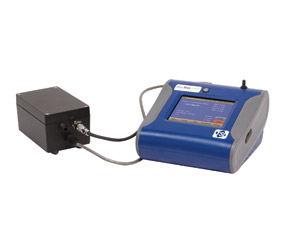
Air Monitoring 8530EP
SKU: DUSTTRAK II AEROSOL MONITOR 8530EP -
Air Monitoring 8532
SKU: DUSTTRAK II AEROSOL MONITOR 8532 -
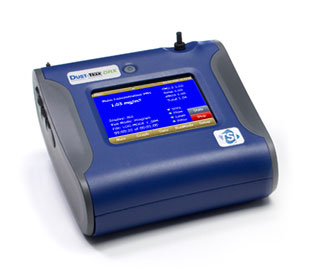
Air Monitoring 8533
SKU: DUSTTRAK DRX AEROSOL MONITOR 8533 -
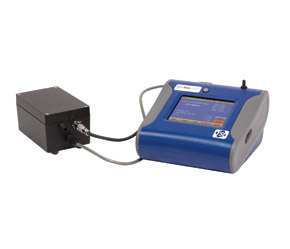
Air Monitoring 8533EP
SKU: DUSTTRAK DRX AEROSOL MONITOR 8533EP -
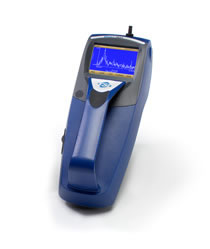
Air Monitoring 8534
SKU: DUSTTRAK DRX AEROSOL MONITOR 8534 -
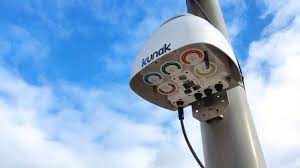
Air quality monitor – AIR Pro
SKU: AIR Pro -
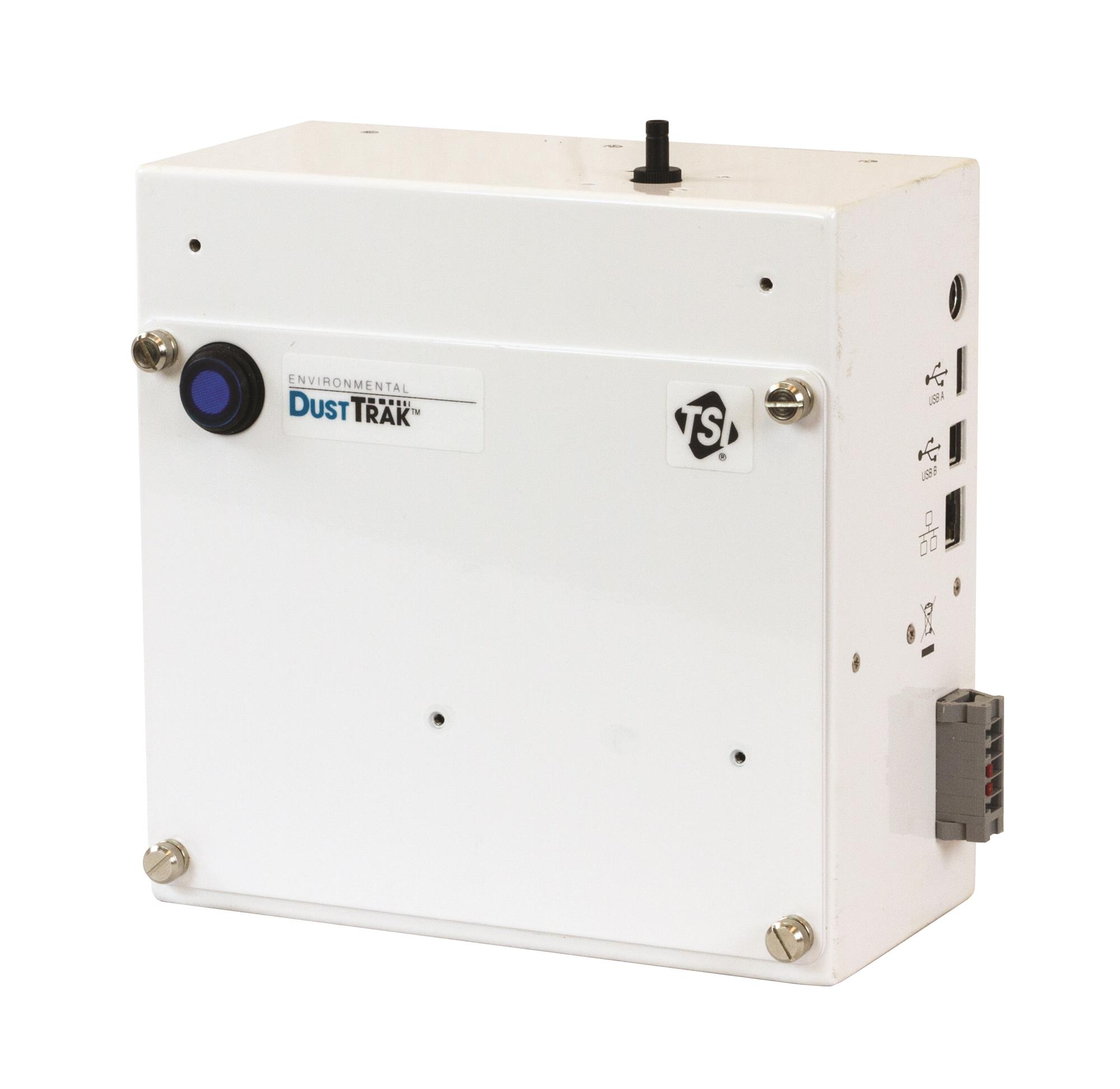
DUSTTRAK ENVIRONMENTAL MONITOR – 8540,8543
SKU: 8540,8543 -
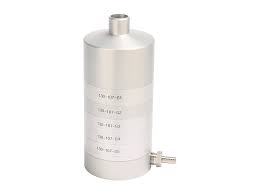
HFI High Flow Impactors – 130
SKU: 130 -
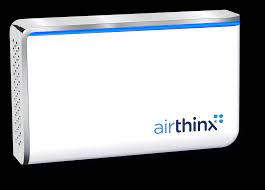
Indoor Air Quality Monitoring – airthinx IAQ
SKU: airthinx IAQ -
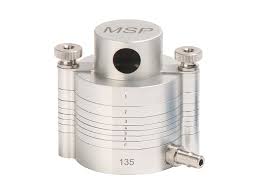
Mini-MOUDI Impactors – 135-6A
SKU: 135-6A -
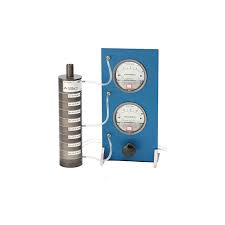
MOUDI Impactors – 100NR
SKU: 100NR -
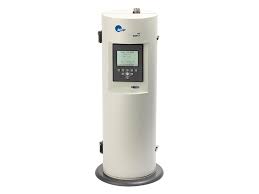
MOUDI-II Impactors – 120R
SKU: 120R -
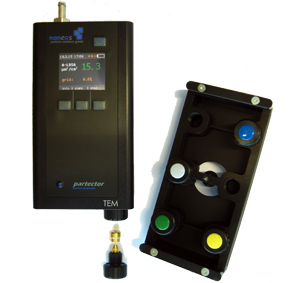
Naneos partector TEM sampler – PARTECTOR TEM
SKU: Naneos partector TEM sampler -
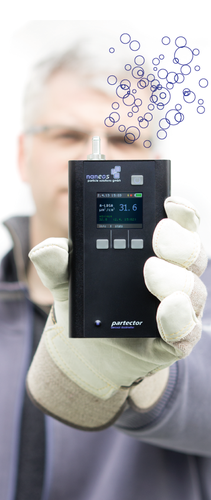
Nanoparticle Dosimeter – Partector
SKU: Partector -
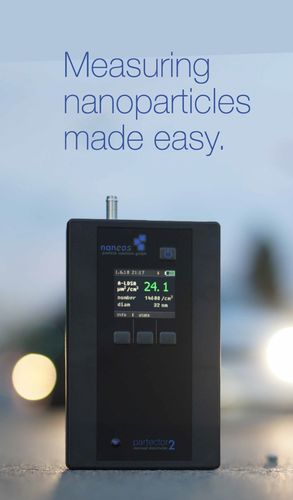
Nanoparticle Dosimeter – Partector2
SKU: Partector2 -
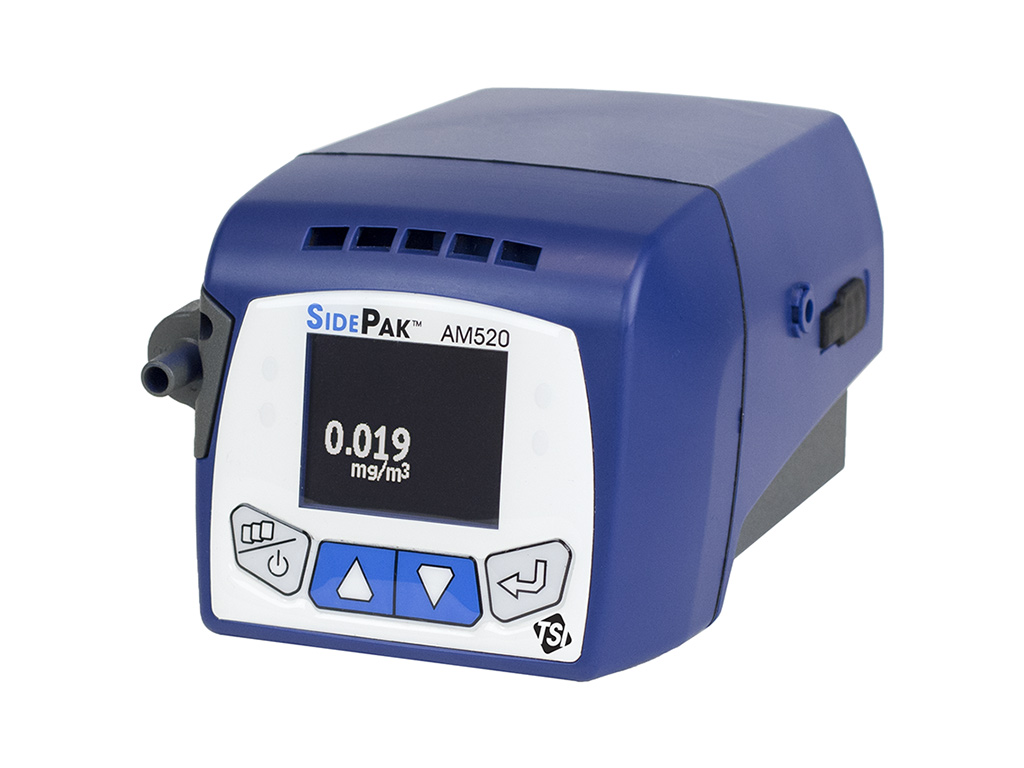
SIDEPAK PERSONAL AEROSOL MONITOR – AM520
SKU: AM520 -
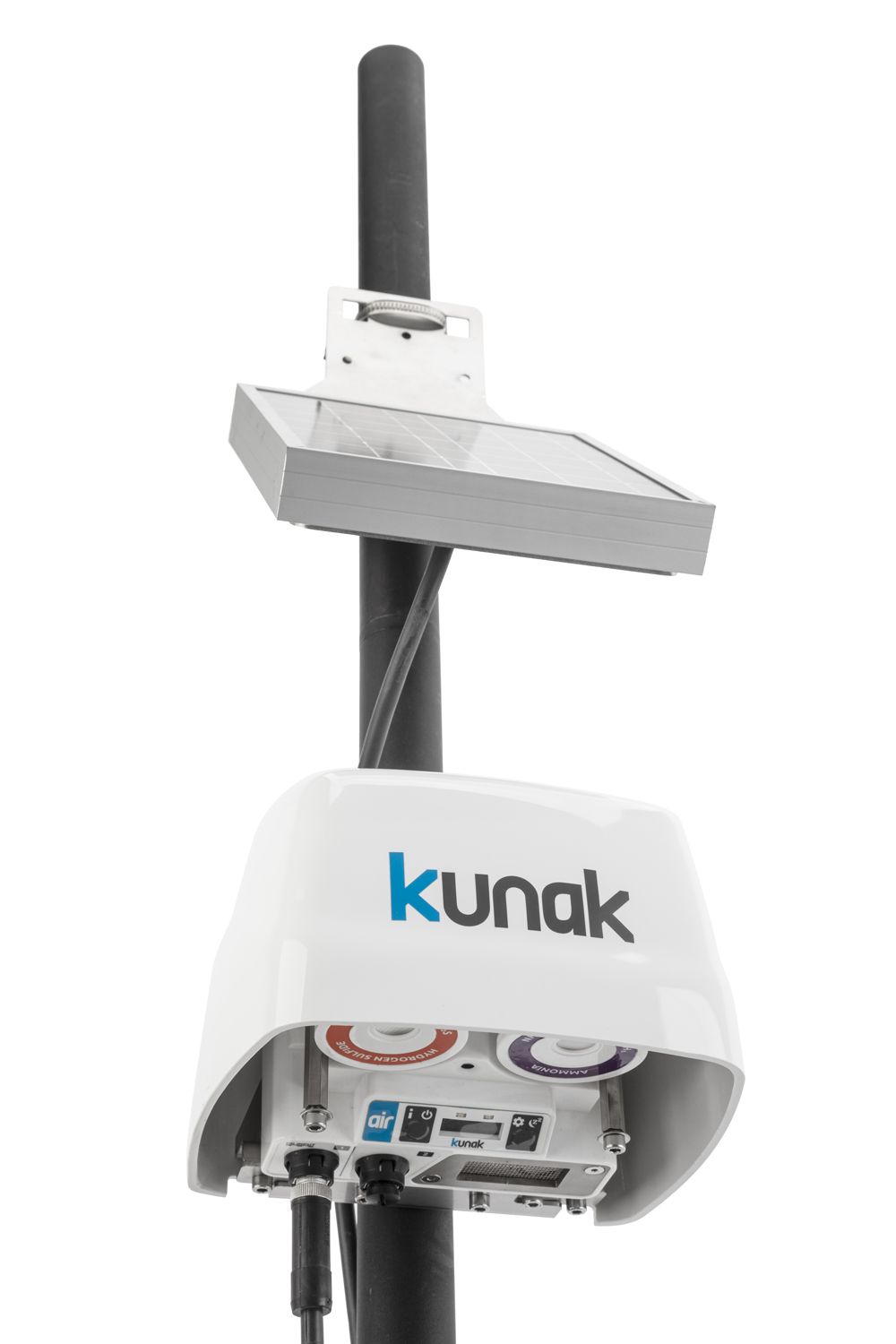
The compact air quality station for hyperlocal monitoring – AIR LITE
SKU: AIR LITE -

Industrial IoT Gateway – Thiamis
-
TSI PARTICLE TECHNOLOGY
SKU: TSI PARTICLE TECHNOLOGY
Airborne particle monitoring is a core component of air quality control, occupational safety, environmental research, pollution monitoring and industrial process evaluation. Particle and aerosol measurement systems make it possible to detect, measure and characterize airborne particles, including dust, smoke, fumes and aerosols, and to examine their concentration and size distribution.
The Airborne and Workplace Particle Monitoring category features advanced real-time measurement instruments alongside professional systems for aerosol sampling and characterization. The equipment is suited to research laboratories, academic institutions, industry, environmental agencies, health and safety officers and industrial hygienists, engineering and research firms, as well as field and workplace measurements.
Real-Time Measurement of Particle and Aerosol Concentrations
Continuous particle monitoring provides an immediate picture of air conditions and helps identify changes in particle concentrations caused by industrial activity, manufacturing processes, construction work, vehicle traffic, emission sources or changing environmental conditions.
Systems such as the DustTrak DRX Aerosol Monitor from TSI are based on optical light-scattering measurement and enable real-time monitoring of aerosols such as dust, smoke, fumes and mist. DustTrak DRX models can simultaneously measure mass concentration and size-segregated particle fractions, including PM1, PM2.5, PM10 and total suspended particulates.
This capability is especially important when you need to understand not only the total particle concentration, but also which particle sizes are present in the air and in what quantity.
What Do Airborne Particle Monitoring Systems Measure?
Depending on the instrument type and application, a range of parameters can be measured, such as:
- Airborne particle and aerosol concentration
- PM1
- PM2.5
- PM10
- Respirable particles
- Total particle concentration
- Airborne dust
- Smoke and fumes
- Aerosols in industrial processes
- Changes in particle concentration over time
- Particle size distribution
Advanced systems also provide data logging for trend analysis, comparison between different areas, identification of emission sources and evaluation of the effectiveness of control and filtration measures.
Workplace Particle Monitoring
One of the main applications of particle monitoring equipment is Occupational Exposure Monitoring, that is, assessing workers' exposure levels to dust and aerosols in the workplace.
In factories, construction sites, laboratories, mines, material processing operations and manufacturing environments, particles may be generated by cutting, grinding, milling, mixing, burning, welding, raw material processing and other processes.
Real-time measurement can help identify when and where particle concentrations rise. The data can be used to assess working conditions, locate dust sources, test extraction and ventilation systems, and evaluate the effectiveness of engineering controls designed to reduce exposure.
TSI describes DustTrak models as tools suited, among other things, to industrial hygiene surveys, indoor air quality investigations, particle source identification and evaluation of engineering controls.
Monitoring PM2.5, PM10 and Respirable Particles
Airborne particles are often classified by their aerodynamic diameter. Among the most common metrics in the field of air quality are PM2.5 and PM10.
PM10 refers to particles with an aerodynamic diameter of up to approximately 10 micrometers, while PM2.5 refers to finer particles with a diameter of up to approximately 2.5 micrometers.
The ability to measure several size fractions simultaneously is important in environmental research, occupational hygiene and pollution source investigations. DustTrak DRX instruments, for example, allow simultaneous measurement of mass fractions corresponding to PM1, PM2.5, PM10, respirable particles and total concentration.
Impactors for Particle and Aerosol Characterization
Alongside instruments that measure particle concentration in real time, the category also includes Impactors, systems used to sample and separate aerosol particles according to their aerodynamic size.
In these systems, the air stream passes through several stages. At each stage, particles within a specific size range are collected, providing more detailed information on the particle size distribution of the aerosol.
The category includes systems such as:
MOUDI Impactors
Cascade Impactor systems designed to separate aerosol particles into multiple size fractions for research and precise characterization.
MOUDI-II and NanoMOUDI-II
Advanced systems for characterizing ultrafine particles and for studies requiring high size resolution.
Mini-MOUDI Impactors
Compact impactors designed for size-segregated particle sampling in a multi-stage configuration.
HFI High Flow Impactors
High-flow sampling systems designed for applications that require sampling a substantial volume of air.
Combining real-time monitoring with impactor sampling enables more comprehensive aerosol research, covering both particle concentration and size distribution.
Where Are Particle Monitoring Instruments Used?
Airborne particle measurement equipment is used across a wide range of fields, including aerosol research, ambient air quality, workplace monitoring, industry, universities and research institutes, filtration system testing, emissions studies, construction site monitoring, combustion processes, nanoparticle research and evaluation of the efficiency of ventilation and pollution control systems.
In industry, measurements can be used to identify dust sources and compare different working conditions and manufacturing processes. TSI notes that continuous monitoring of PM1, PM2.5, PM10 and total particulates can help identify particle sources, evaluate control measures and track levels over time.
How to Choose an Airborne Particle Monitor
Choosing the right instrument depends first and foremost on the purpose of the measurement. For quick field measurements, a portable real-time instrument may be suitable. For fixed or long-term monitoring, you can choose a system designed for continuous measurement and data logging. When the research goal is precise characterization of particle size distribution, a multi-stage impactor may be the more appropriate solution.
Several key parameters should be considered: the particle size range, the concentration range, the sampling rate, the measurement type, instrument portability, data logging options, the environmental conditions in which measurements will be carried out, and whether physical collection of the sample is required for further analysis.
What Is the Difference Between Real-Time Particle Monitoring and an Impactor?
A real-time particle monitor provides immediate data on particle concentration and makes it possible to quickly identify changes and trends. An Impactor is used mainly to collect and separate particles by size for more detailed analysis and characterization.
In advanced research applications, the two methods can complement each other: continuous monitoring shows when particle concentration changes, while size-segregated sampling provides a better understanding of the characteristics of the measured aerosol.
Professional Solutions for Particle Monitoring and Characterization
Meteo-Tech offers a range of professional solutions for airborne particle monitoring, aerosol measurement and particle characterization, from portable real-time instruments to advanced systems for research and size-based particle separation.
The systems are designed for applications in air quality, environmental science, occupational health, industry and research, and allow the measurement method to be tailored to the specific need, from PM2.5 and PM10 monitoring in the workplace to advanced research on aerosol size distribution.