
Visual Colourimeter Measurement
-
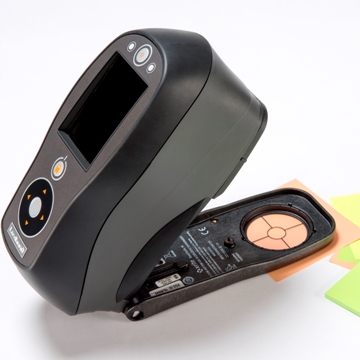
Colour Measurement Model RT 400/500
SKU: RT 400/500 -
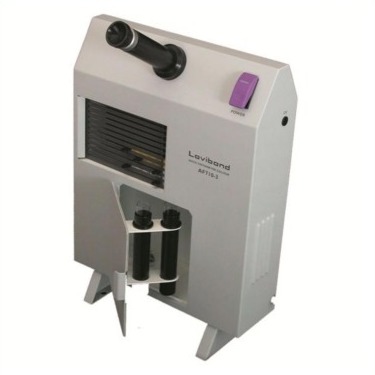
Visual Colarimeter Measurement – AF710-3 – AF710-3, Visual
SKU: AF710-3, Visual -
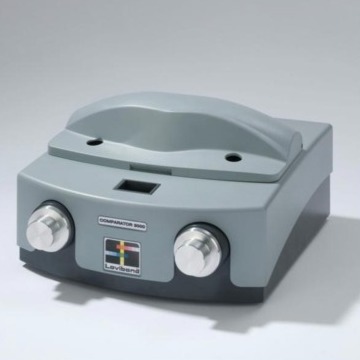
Visual Colarimeter Measurement – Comparator 3000 / Petroleum AF650 – Comparator 3000 / Petroleum AF650, Visual Grading
SKU: Comparator 3000 / Petroleum AF650, Visual Grading -
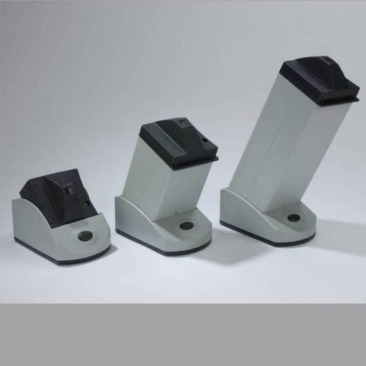
Visual Colarimeter Measurement – Comparator System 2000 – Comparator System 2000, Visual Grading
SKU: Comparator System 2000, Visual Grading -
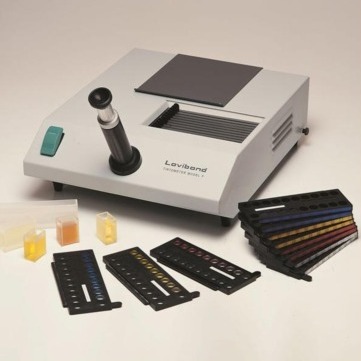
Visual Colarimeter Measurement – Model F – Model F, Visual
SKU: Model F, Visual
Visual Colorimeter
A visual colorimeter is an instrument or system designed for controlled visual comparison of color between samples, products or defined standards. Unlike full spectral measurement, which yields detailed numerical color values, visual measurement focuses on visual inspection under constant, controlled lighting conditions in order to assess color match, uniformity and shade.
Visual color measurement systems are used in quality control, research and development, batch comparison, raw material inspection, product approval and process control. They are especially suitable in cases where it is important to examine how color is actually perceived by the human eye under defined lighting conditions.
What Is a Visual Colorimeter?
A visual colorimeter makes it possible to perform visual color comparison under controlled conditions. The inspection is usually carried out against a reference sample, a color standard or a defined color range.
The goal is to reduce the influence of changing lighting conditions, different backgrounds or environmental differences, and to enable more consistent assessment of shade and appearance.
Depending on the type of system, visual measurement can be used for:
- Comparing a sample to a standard
- Checking color uniformity
- Detecting shade deviations
- Batch control
- Checking color changes
- Product approval before release
- Raw material control
- Comparison between suppliers or production processes
Why Is It Important to Perform Color Inspection Under Controlled Lighting Conditions?
Color perception is strongly affected by lighting conditions. The same product can appear in a different shade under daylight, fluorescent lighting, LED lighting or other light sources.
Therefore, when performing visual color inspection, it is important that the comparison be carried out under conditions that are as constant as possible.
A controlled measurement environment makes it possible to:
- Minimize the influence of external lighting
- Maintain uniform test conditions
- Compare samples consistently
- Reduce discrepancies between inspectors
- Improve test repeatability
- Detect differences that are not noticeable under ordinary lighting
Which Industries Use Visual Colorimeters?
Visual color measurement is suitable for a wide range of industries in which the external appearance of the product is highly important.
Common fields include:
- Plastics
- Paints and coatings
- Textiles
- Printing
- Paper
- Packaging
- Food
- Cosmetics
- Ceramics
- Building materials
- Automotive industry
- Consumer products
- Research and development
In each of these fields, the inspection can be used to compare a product to an approved standard or to check the match between different parts of the same product.
Visual Colorimeters in the Plastics Industry
In the plastics industry, color uniformity between parts, batches and raw materials is of great importance.
Changes in pigments, the injection molding process, temperature, raw material or additives can cause differences in shade.
With controlled visual color inspection, parts can be compared and deviations from the desired appearance can be detected before the product is released.
Color Inspection in Paints and Coatings
Paints and coatings may look different as a result of the type of lighting, gloss level, surface texture and coating thickness.
A visual system makes it possible to perform comparison under defined conditions and to examine:
- Shade match
- Uniformity between batches
- Differences between parts
- Changes after drying
- The influence of raw materials
- Changes during the production process
The inspection is especially useful when visual approval is required in addition to instrumental measurement.
Visual Color Measurement in Textiles
In the textile industry, visual color comparison is widely used for inspecting fabrics, yarns and finished products.
Controlled inspection makes it possible to assess whether there are differences between different dye lots, between suppliers or between parts of the same product.
The use of constant lighting conditions is especially important when a small change in shade may be noticeable in the final product.
Color Inspection in Printing and Packaging
In printing and packaging, an exact match is sometimes required between different print runs, approved samples and production series.
A visual colorimeter helps perform comparisons between:
- A print and a standard
- Packaging and an approved sample
- Different print runs
- Brand colors
- Different raw materials
- Results from different machines or production lines
This makes it possible to detect a change in appearance before the product reaches the customer.
What Is the Difference Between a Visual Colorimeter and a Digital Colorimeter?
A digital colorimeter or spectrophotometer provides numerical values such as Lab*, ΔE and spectral data.
Visual measurement, by contrast, focuses on controlled human examination of the actual appearance.
The two methods do not necessarily replace each other. In many cases they complement each other:
- Digital measurement provides objective numerical data
- Visual inspection examines how the product actually looks
- Combining the two methods enables more comprehensive color control
For products in which visual appearance is critical, human inspection under defined lighting conditions can be an important part of the quality control process.
What Is Metamerism and Why Is It Important in Color Inspection?
Metamerism is a phenomenon in which two samples look similar under one light source but different under another light source.
This phenomenon is especially important in industries such as textiles, plastics, automotive, paint, printing and packaging.
Inspection under several light sources can help identify situations in which the color match is good under certain lighting conditions but is not maintained under other conditions.
Therefore, when a high visual match is required, it is advisable to examine the samples under different lighting conditions that represent the environment in which the product is used.
Why Not Rely on Room Lighting?
Ordinary room lighting is not necessarily stable or defined. Light intensity, color temperature, the influence of daylight and other lighting components can change throughout the day.
As a result, the same sample may be assessed differently at different times.
Using a dedicated color inspection system makes it possible to create a more consistent working environment and improve the reliability of the comparison.
How to Choose a Visual Color Measurement System?
Choosing a suitable system depends on the type of product and the inspection requirements.
Among other things, it is important to check:
- The types of light sources required
- Sample size
- Viewing booth size
- The types of materials being inspected
- The need to compare several samples
- The types of standards or quality control procedures
- The place of use, in the laboratory or on the production line
- The need for metamerism testing
- Requirements for repeatability and uniformity of test conditions
A suitable system makes it possible to create a constant comparison environment and turn visual inspection into a more controlled and uniform process.
Visual Colorimeters for Professional Quality Control
In Meteo-Tech's Visual Colorimeter category you will find professional solutions for visual color comparison and appearance control under controlled lighting conditions.
The instruments are suitable for laboratories, quality control departments, production lines and R&D departments in the plastics, paint, textile, printing, packaging, food, cosmetics and other industries.
Proper use of the system makes it possible to perform consistent color comparison, detect deviations between samples, check uniformity between batches and improve quality control of the final product.