
Integrated meteorological stations
-

ATMOS 41 All in one weather station – ATMOS-41
SKU: ATMOS-41 -
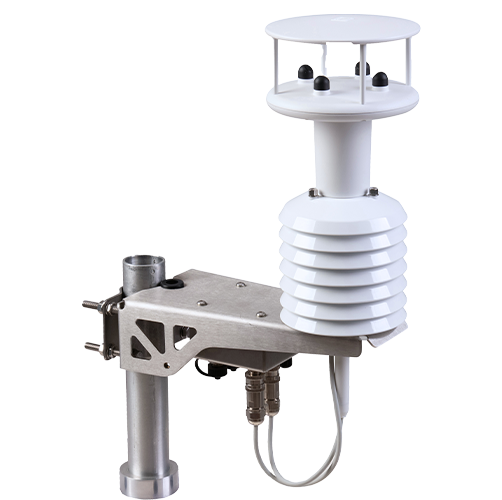
MetConnect flexible weather station – MetConnectOne
SKU: MetConnectOne -
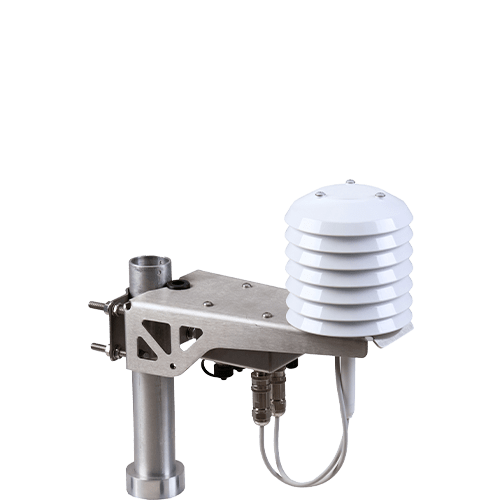
MetConnect flexible weather station – THP
SKU: THP -
Meteorological station for temp, humidity & pressure – GMX300
SKU: GMX300 -
Meteorological station for temp, humidity, pressure & radiation – GMX301
SKU: GMX301 -
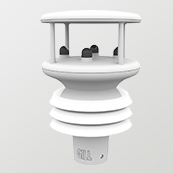
Meteorological station for temp’, humidity, pressure – GMX500
SKU: GMX500 -
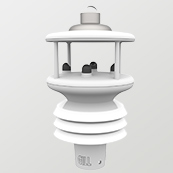
Meteorological station for temp’, humidity, pressure & radiation – GMX501
SKU: GMX501 -
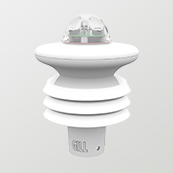
Meteorological station for temp’, humidity, pressure and precipitation – GMX400
SKU: GMX400 -
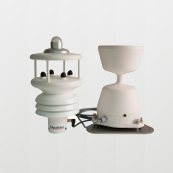
Meteorological station for wind, temp’, humidity, pressure, radiation and precipitation – GMX531
SKU: GMX531 -
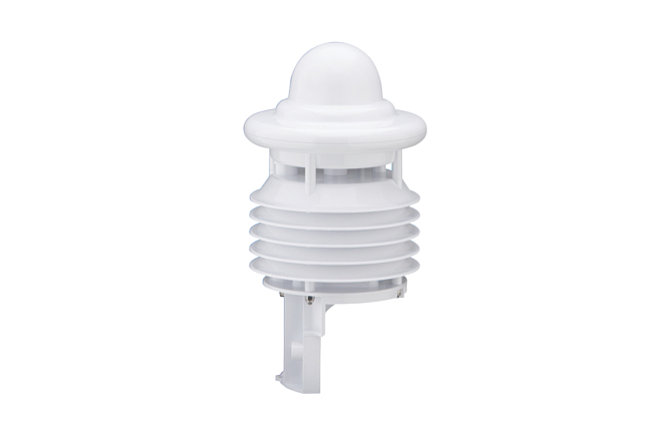
Multi-sensor for temp, humidity & precipitation – WS400
SKU: WS400 -
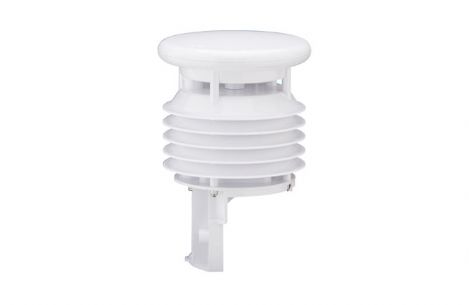
Multi-sensor for temp, humidity & pressure – WS300
SKU: WS300 -
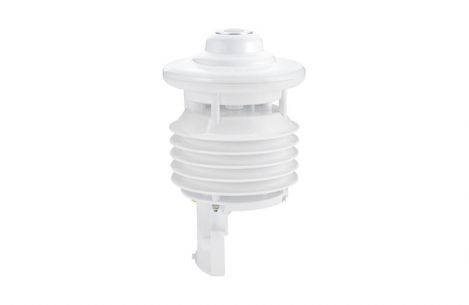
Multi-sensor for temp, humidity, pressure & radiation – WS302
SKU: WS302 -
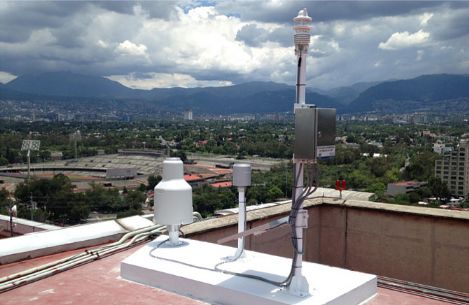
Multi-sensor for temp, humidity, pressure & radiation – WS700
SKU: WS700 -
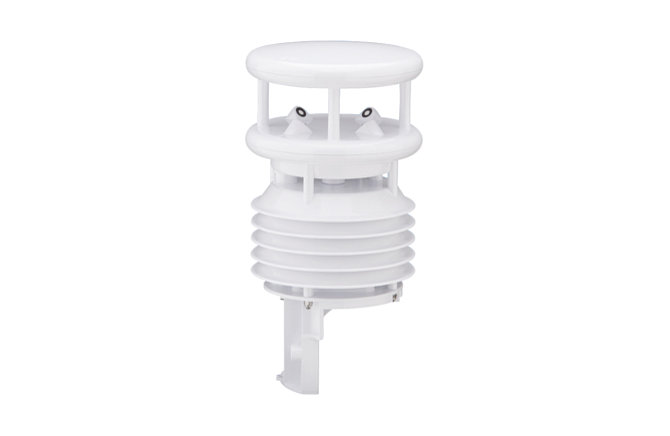
Multi-sensor for wind, temp & humidity – WS500
SKU: WS500 -
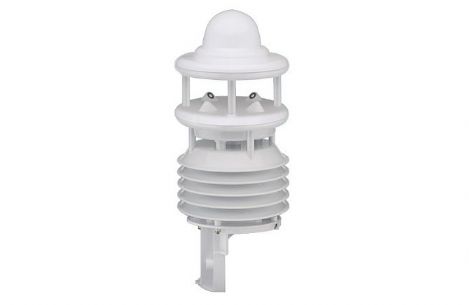
Multi-sensor for wind, temp, humidity & precipitation – WS600
SKU: WS600 -
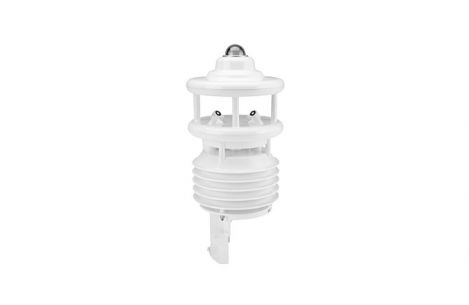
Multi-sensor for wind, temp, humidity & radiation – WS501
SKU: WS501 -
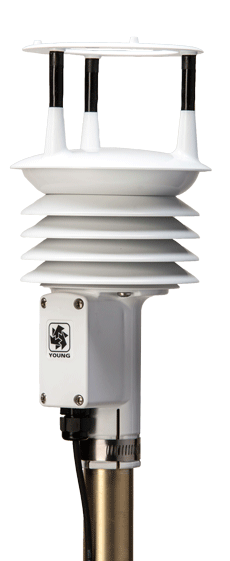
Response ONE Multi-sensor for wind, temp & humidity – 92000
SKU: 92000 -
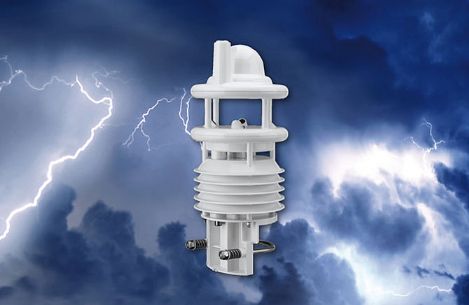
sensor with detection of lightning strikes – WS800
SKU: WS800 -
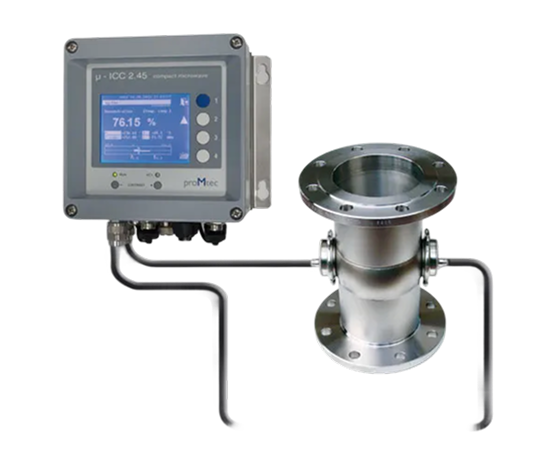
Microwave Concentration Meter – U-ICC 2.45 Compact
-
Meteorological Station for Temperature, Humidity and Pressure – GMX500
SKU: GMX500
Integrated meteorological sensors are advanced measurement solutions that combine several sensors in a single compact instrument. Instead of installing a separate sensor for each environmental parameter, a single measurement unit can be used to measure temperature, relative humidity, barometric pressure, wind speed and direction, precipitation, solar radiation and additional meteorological parameters.
Combining multiple sensors in one housing makes it possible to set up a monitoring network that is more efficient, more accurate and easier to install and maintain. These sensors are suitable for professional weather stations, precision agriculture systems, environmental monitoring, smart infrastructure, airports, ports, industrial facilities, energy systems, research sites and a wide range of applications that require up-to-date, reliable information on weather conditions.
Meteo-Tech supplies a wide range of integrated meteorological sensors, compact weather stations and modular systems, suited to fixed or mobile measurements and to integration with data loggers, control systems, monitoring software and remote communication platforms.
What Are Integrated Meteorological Sensors?
Integrated meteorological sensors are instruments that include several measurement components within a single unit. Each component measures a different environmental parameter, and the data is collected and transmitted via a shared communication interface to a control system, data logger, computer or cloud service.
Depending on the model, the sensor may measure different combinations of parameters:
- Air temperature
- Relative humidity
- Barometric pressure
- Wind speed
- Wind direction
- Wind gust intensity
- Precipitation amount
- Rainfall intensity
- Solar radiation
- Lightning detection
- Additional calculated parameters
The measured data provides a comprehensive picture of the environmental conditions at the measurement point. Advanced systems can also calculate derived values, such as dew point, heat stress, heat index, wind chill, pressure corrected for altitude and statistical data by time period.
The Advantages of an Integrated Meteorological Sensor
The main advantage of an integrated sensor is the ability to measure multiple parameters with a single compact system. This design simplifies the planning of the monitoring system and reduces the number of components, cables, connections and mounting hardware required.
Simpler, Faster Installation
Instead of installing several separate sensors on a mast or at the measurement site, a single integrated unit can be installed. This shortens installation time and reduces the complexity of wiring and connection to the data acquisition system.
Space Savings
The compact design is especially suitable for sites where installation space is limited, such as rooftops, mobile installations, lighting poles, vehicles, marine systems and urban monitoring stations.
Easier Maintenance
When several sensors are housed in one unit, it is easier to carry out periodic checks, cleaning, replacement and servicing. It also reduces the number of failure points caused by multiple connections and cables.
Synchronized Measurements
All parameters are measured at the same site and at the same time. This synchronization is important for analyzing weather events, for process control and for calculating indices based on several variables simultaneously.
Easy Integration with Existing Systems
Integrated sensors can connect to data loggers, PLC controllers, SCADA systems, IoT systems and remote monitoring platforms via standard communication interfaces. Exact compatibility depends on the model and the system requirements.
Which Parameters Can Be Measured?
Air Temperature Measurement
Air temperature is one of the most basic and important parameters in any meteorological system. Correct measurement requires a suitable sensor, a proper installation location and protection against the direct effect of solar radiation.
Temperature data is used in weather forecasting, agriculture, industrial control, cooling and heating systems, environmental monitoring, climate research and infrastructure management.
When temperature is measured as part of an integrated sensor, it is important to verify that its design allows adequate ventilation and minimizes self-heating or external influences that could cause measurement errors.
Relative Humidity Measurement
Relative humidity describes the amount of water vapor in the air relative to the maximum amount the air can hold at a given temperature. Combining temperature and humidity measurement also makes it possible to calculate the dew point and assess the risk of condensation.
Humidity measurement is important in agriculture, storage, factories, greenhouses, logistics centers, museums, research stations, energy facilities and climate control systems.
Barometric Pressure Measurement
Barometric pressure is a key parameter in analyzing weather conditions and identifying atmospheric changes. Changes in air pressure may indicate the passage of weather systems and changes in environmental conditions.
Pressure measurement is used in weather stations, at airports, in research, in forecasting systems and in applications where pressure needs to be adjusted to the site's elevation above sea level.
Wind Speed and Direction Measurement
Integrated meteorological sensors can include an anemometer for measuring wind speed and direction. In some models, the measurement is performed using ultrasonic technology, with no moving parts.
Wind measurement is required in a wide range of applications:
- Weather stations
- Solar and wind energy sites
- Airports and airstrips
- Ports and marinas
- Cranes and construction sites
- Agriculture and spraying
- Air pollution monitoring
- Warning systems
- Industrial facilities
- Stadiums and outdoor events
Wind speed and direction affect perceived temperature, evaporation, pollutant dispersion, operational safety and the movement of clouds and precipitation.
Precipitation Measurement
Some integrated sensors include a component for measuring precipitation amount and rainfall intensity. Depending on the measurement technology, rain events can be monitored without the need for a separate mechanical rain gauge.
Precipitation data is used for drainage system management, agriculture, hydrological research, flood warnings, road monitoring, urban planning and irrigation control.
It is important to match the measurement method to the required accuracy, the nature of precipitation in the area and the maintenance conditions at the site.
Solar Radiation Measurement
Solar radiation affects soil and air temperature, evaporation rate, plant development and the performance of solar systems. An integrated sensor that includes radiation measurement makes it possible to combine this information with temperature, humidity, wind and pressure data.
Combining the data is especially useful in precision agriculture, greenhouses, meteorological research, irrigation systems, air quality stations and renewable energy facilities.
Lightning Detection
Some systems include a sensor for detecting lightning activity. The sensor can be used to provide warnings of approaching storms and electrical activity in the atmosphere.
Lightning detection is especially important at airports, open-air facilities, infrastructure sites, ports, sports venues, outdoor work areas and places where activity must be halted when there is a lightning hazard.
A lightning detection system does not necessarily replace a full regional warning network, but it can provide an additional layer of information as part of a local weather monitoring system.
Integrated Sensors vs. Separate Sensors
The choice between an integrated meteorological sensor and a system made up of separate sensors depends on the requirements of the application.
An integrated sensor is suitable when the following are required:
- A compact solution
- Fast installation
- Simple maintenance
- Multiple parameters at a single point
- A central communication connection
- Relatively low infrastructure costs
- Easy integration into a control system
- Mobility or relocation between sites
Separate sensors may be suitable when a particularly high, research-grade level of accuracy is required for each parameter, when each sensor needs to be positioned at a different height or location, or when standards require a specific measurement method.
In many cases, an integrated sensor offers a good balance between measurement quality, operational simplicity and system cost. However, the choice should be based on the purpose of the measurement and not only on the number of parameters the instrument offers.
Meteorological Sensors for Precision Agriculture
Agriculture is directly affected by weather conditions. Temperature, humidity, wind, radiation and precipitation affect growth rate, disease development, water evaporation, irrigation timing, spraying efficiency and the timing of field operations.
An integrated sensor installed in a field, orchard, vineyard or greenhouse can provide continuous data on local conditions. This data enables growers and control systems to make more accurate decisions.
Common applications include:
- Planning irrigation schedules
- Calculating evaporation
- Assessing conditions for disease development
- Planning spraying according to wind speed
- Identifying heat and cold stress
- Analyzing greenhouse conditions
- Recording rain events
- Warning of extreme conditions
- Comparing plots
- Managing resources throughout the growing season
Integrating the sensor with a remote communication system makes it possible to receive data directly on a computer or phone and to monitor conditions without being physically present at the site.
Weather Monitoring in Industry
Weather conditions can affect industrial processes, emissions, material storage, worker safety and the operation of outdoor facilities. Integrated sensors make it possible to incorporate environmental data into the plant's control systems.
For example, wind data can be used to analyze emission dispersion, temperature and humidity data for storage control, and rainfall data for drainage system management.
The system can define alarm thresholds and trigger automatic actions when conditions exceed the defined range. Work at height can be stopped during strong winds, ventilation systems can be switched to a different operating mode, or operations teams can be alerted.
Integrated Sensors for Air Quality Monitoring
Weather measurement is an important part of air quality monitoring systems. Wind direction and speed affect the movement of pollutants, while temperature, humidity and pressure affect dispersion conditions and the operation of the measuring instruments.
Installing an integrated sensor alongside gas analyzers or particle counters makes it possible to correlate pollution levels with the meteorological conditions at the time of measurement.
This makes it possible to:
- Identify the direction from which pollutants arrive
- Assess the effect of wind on their dispersion
- Compare different pollution events
- Document environmental conditions during an exceedance
- Improve pollutant dispersion models
- Build a more complete environmental database
Applications at Airports and in Aviation
Weather is a key factor in the safety and operation of airports, airstrips and helipads. Wind, visibility, temperature, pressure, precipitation and thunderstorms can affect takeoffs, landings and ground operations.
Integrated sensors can be incorporated into local weather systems and provide information on conditions at different points across the airfield.
Selecting equipment for an airport requires matching it to operational requirements, the required level of accuracy, system reliability and the relevant standards. In critical applications, it is necessary to examine whether the integrated sensor is intended for operational measurement, research, supplementary monitoring or a warning system.
Applications in Infrastructure, Construction and Safety
At construction sites and infrastructure facilities, measuring wind, rain, temperature and lightning is highly important. Strong winds can endanger crane operations, work at height and equipment lifting. Heavy rain can affect earthworks, soil stability and schedules.
An integrated meteorological sensor can be used to trigger real-time alerts and to document conditions throughout the project.
Possible applications include:
- Cranes and hoists
- Bridges and tunnels
- Roads and railways
- Mining and quarrying sites
- Oil and gas facilities
- Telecommunication facilities
- Ports and marine facilities
- Engineering projects
- Temporary work sites
- Urban warning systems
Compact and Portable Weather Systems
In addition to fixed sensors, there are handheld and compact weather meters that allow mobile measurements in the field. These instruments are suitable for professionals who need to check environmental conditions at different points without installing a permanent station.
Handheld weather meters are used in agriculture, safety, research, sports, firefighting, industry, fieldwork and military applications.
Depending on the model, they can measure temperature, humidity, wind, barometric pressure and additional calculated indices. The main advantage is immediate data availability and full portability.
Integrated Weather Stations
When the measurement unit includes a wide range of sensors and a communication system, it can function as a compact weather station. Such a station can measure most of the parameters required for local monitoring with a single unit.
Integrated stations are especially suitable for:
- National station networks
- Environmental research
- Agriculture
- Smart cities
- Schools and universities
- Air quality stations
- Energy sites
- Industrial facilities
- Smart transportation
- Temporary projects
A modular weather station, on the other hand, allows separate sensors to be selected to build a customized system. The modular solution is suitable when greater flexibility is required, when sensors may need to be added in the future, or when each parameter has different installation requirements.
Connecting to Data Loggers and Communication Systems
An integrated meteorological sensor does not necessarily operate as a stand-alone system. In many cases, it connects to a data logger, which reads the measurements, stores them and transmits them to a central system.
Depending on the system, wired or wireless communication can be used, such as cellular communication, a local network, radio or IoT protocols.
Before selecting a sensor, check:
- Communication output type
- Data transfer protocol
- Supply voltage
- Power consumption
- Measurement frequency
- Data update rate
- Compatibility with the data logger
- Instrument configuration options
- Data output format
- Remote monitoring options
In solar-powered systems or at remote sites, particular attention should be paid to power consumption and the system's ability to operate autonomously over long periods.
The Importance of Installation Location
Even the most accurate sensor cannot provide reliable data when it is installed in a location that does not represent the surrounding environmental conditions.
Buildings, trees, walls, engines, air exhausts, hot surfaces and obstacles can affect the measurements. For example, a nearby wall can alter the wind flow, a dark roof can raise the local temperature, and an air-conditioning system can affect humidity.
When selecting the installation location, consider:
- Installation height
- Distance from obstacles
- Exposure to airflow
- Direct exposure to the sun
- Proximity to heat sources
- Potential for water accumulation
- Accessibility for maintenance
- Mast stability
- Protection against damage
- Suitability for the measurement purpose
When the system is intended for research or standards-compliant measurements, it should be installed in accordance with the professional guidelines relevant to the project.
How to Choose an Integrated Meteorological Sensor?
The right choice should be based on the measurement needs and the site conditions.
Which Parameters Are Required?
Determine in advance whether only temperature and humidity measurement is needed, or a complete system that also includes wind, pressure, rain, radiation and lightning.
There is no advantage in purchasing a complex system that includes parameters that are not needed, but it is worth considering future needs and the option of expanding the system.
What Level of Accuracy Is Required?
A system for operational warnings does not always require the same level of accuracy as a research station or a system used for official data. Examine the measurement accuracy, resolution, response time and long-term stability of the sensors.
Where Will the System Be Installed?
Take into account ambient temperatures, humidity levels, exposure to rain and dust, proximity to the sea, vibration, lightning and other extreme conditions.
How Will the Data Be Collected?
It is important to decide whether a local display, a data logger, a connection to a controller, cellular communication or cloud access is required.
Does the System Need to Be Portable?
For temporary measurements or surveys at multiple sites, a handheld weather meter or a transportable compact station can be chosen. Continuous monitoring requires a permanent system with a suitable power supply and communication.
What Are the Maintenance and Calibration Requirements?
Check how the sensor is cleaned, how often inspection or calibration is recommended, and what services are available over the life of the system.
Integrated Meteorological Sensors from Meteo-Tech
Meteo-Tech offers a wide range of solutions for measuring weather conditions, from compact sensors for measuring temperature and humidity to integrated stations for measuring wind, barometric pressure, radiation and precipitation.
The range of systems makes it possible to tailor a solution to the needs of agriculture, research, industry, air quality, infrastructure, airports, energy and environmental monitoring. You can choose between compact integrated units, handheld weather meters and modular weather stations.
The choice of an integrated sensor should be based on the required parameters, site conditions, accuracy level, communication options and how the data will be used. Professional matching of the sensor, the data acquisition system and the installation method helps ensure stable, consistent and reliable measurements over time.
Meteo-Tech provides professional consulting, system configuration, complementary equipment, communication solutions, service and support for organizations that need a professional meteorological system tailored to their project requirements.