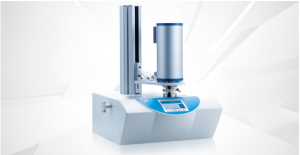
Thermal Analysis
-
Catalog – Catalog
SKU: Catalog -
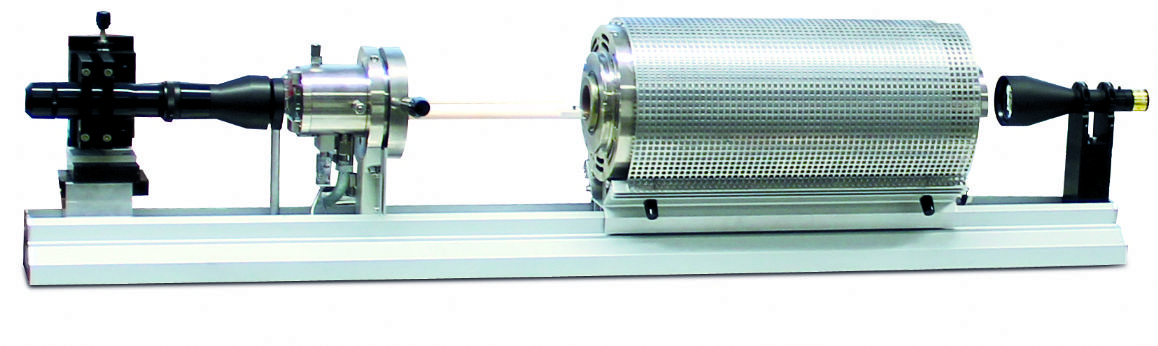
Collaboration between Kruss and Linseis
SKU: DSA High Temperature -

Dilatometer – L78 / RITA Dilatometer
SKU: L78 / RITA Dilatometer -
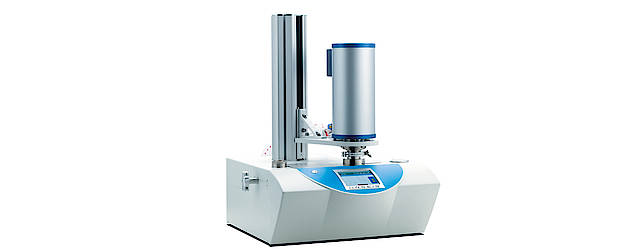
Gravimetric Sorption Analyzer – GSA PT
SKU: GSA PT -
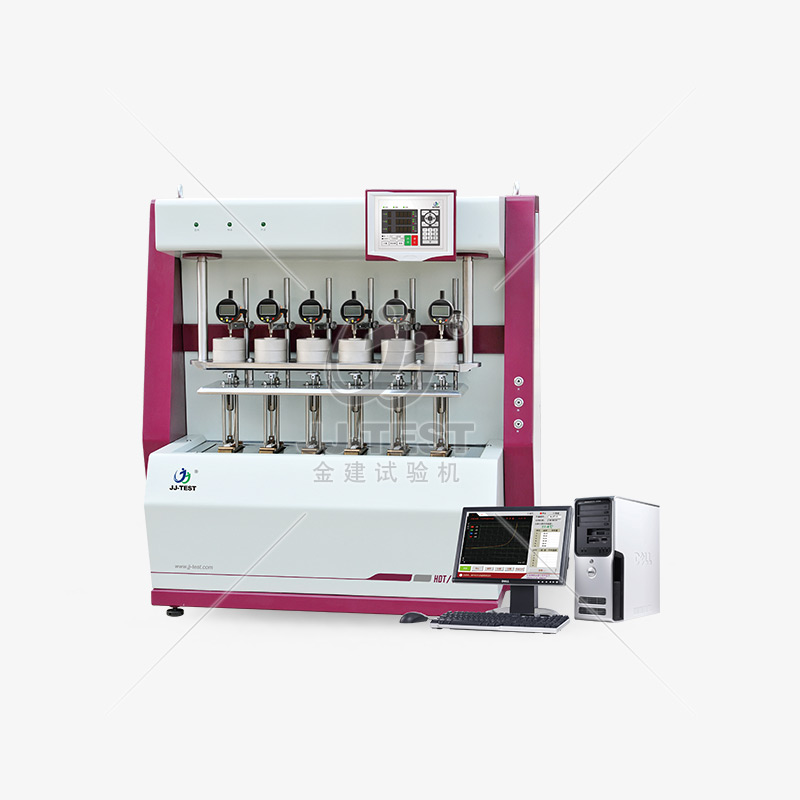
HDT/Vicat Tester
SKU: HDT/V-3216 -
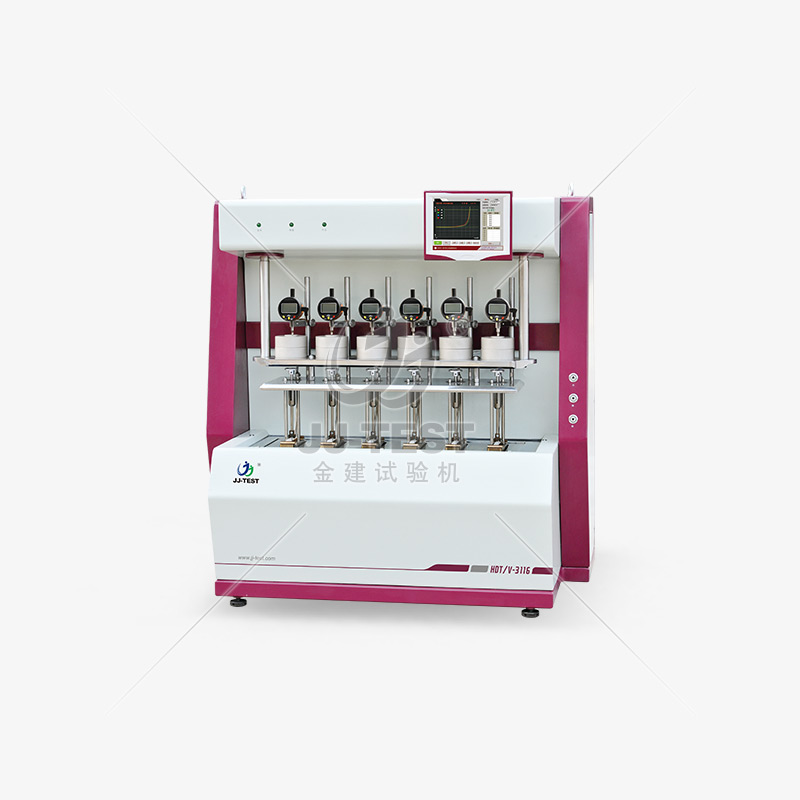
HDT/Vicat Tester
SKU: HDT/V-3116 -
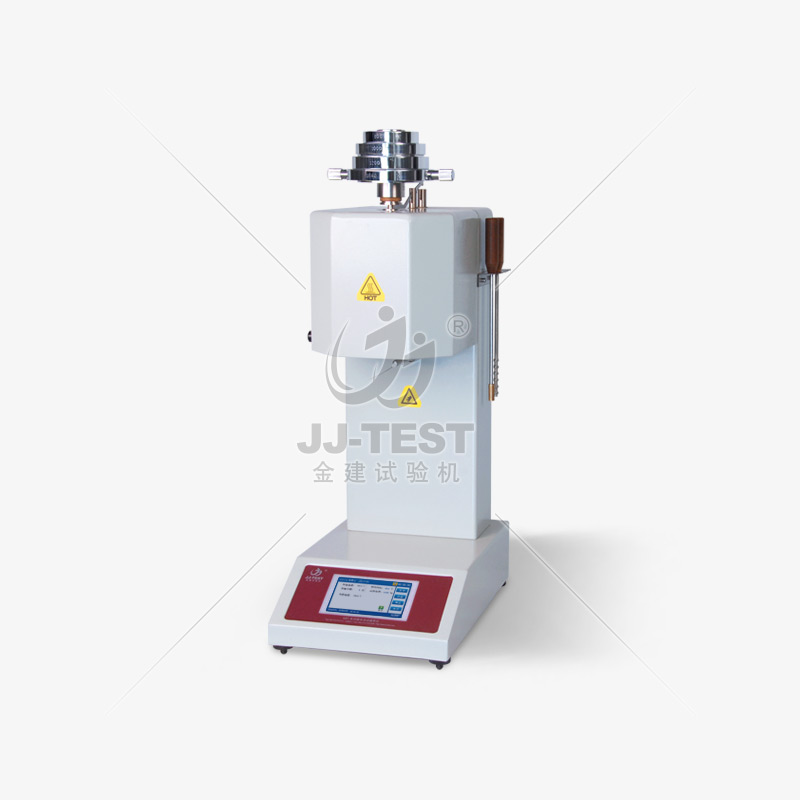
Melt Flow Indexer – MFI-1211
SKU: MFI-1211 -
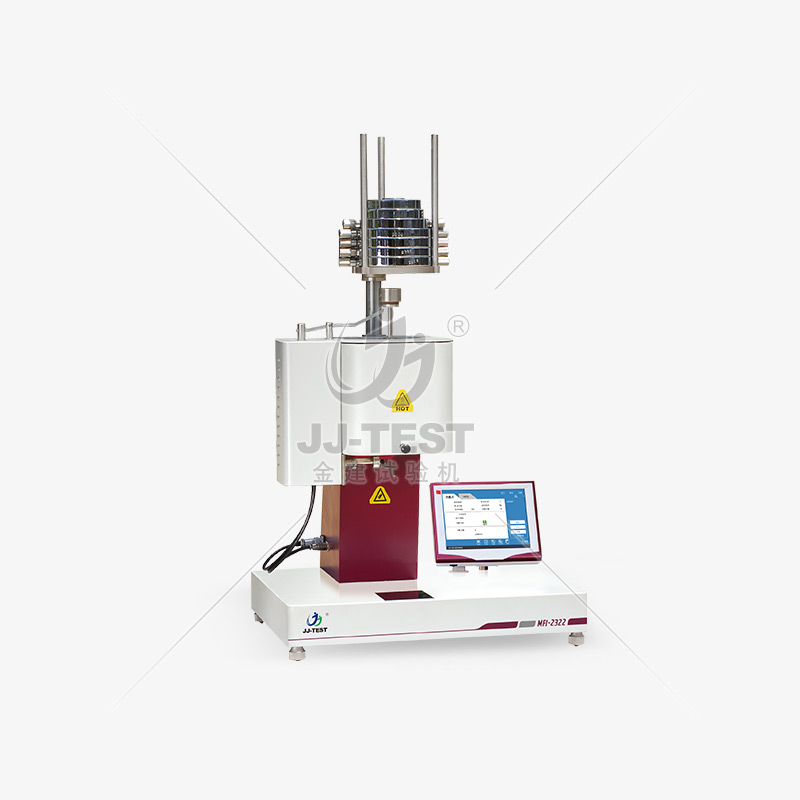
Melt Flow Indexer – MFI-2322
SKU: MFI-2322 -
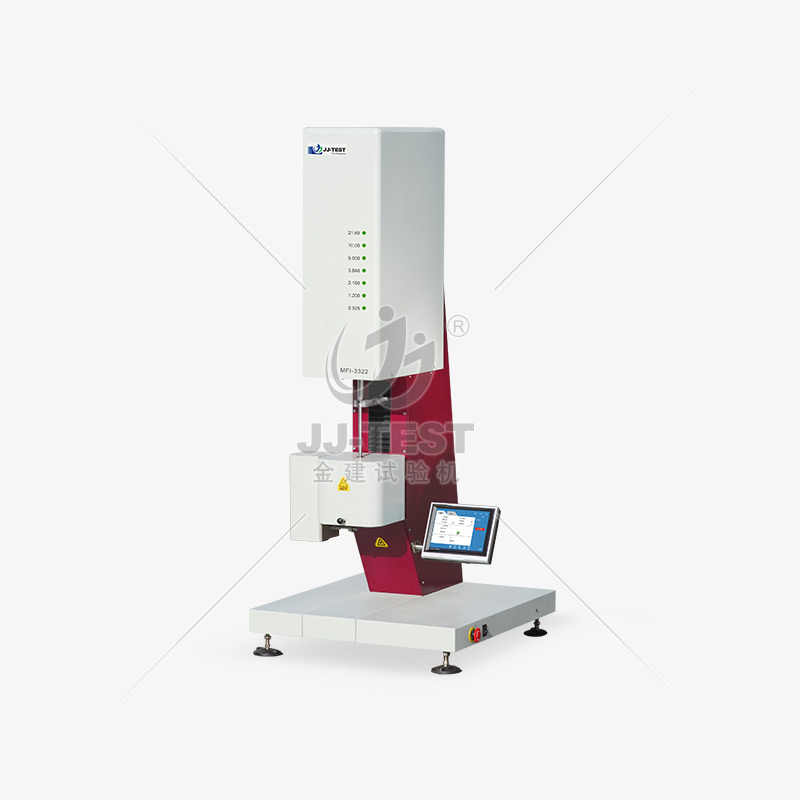
Melt Flow Indexer – MFI-3322
SKU: MFI-3322 -
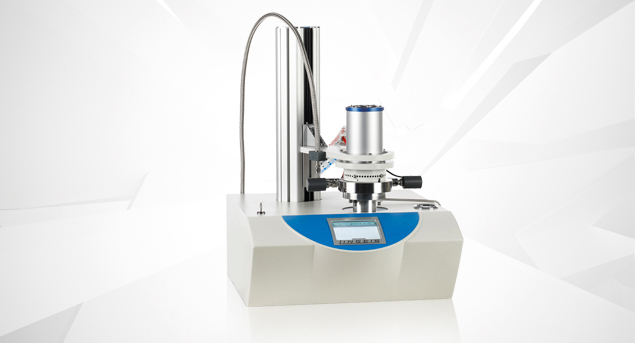
SIMULTANEOUS THERMAL ANALYSIS – STA HP 3
SKU: STA HP 3 -
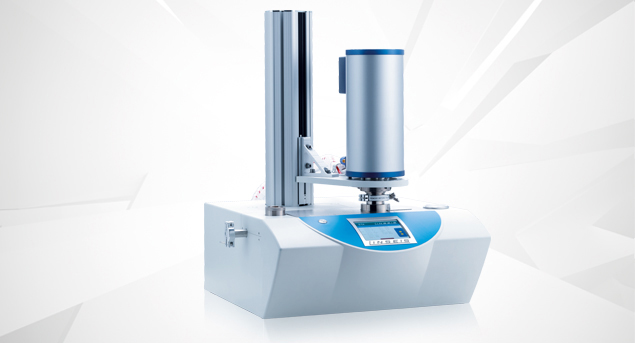
SIMULTANEOUS THERMAL ANALYSIS – STA PT 1600
SKU: STA PT 1600 -
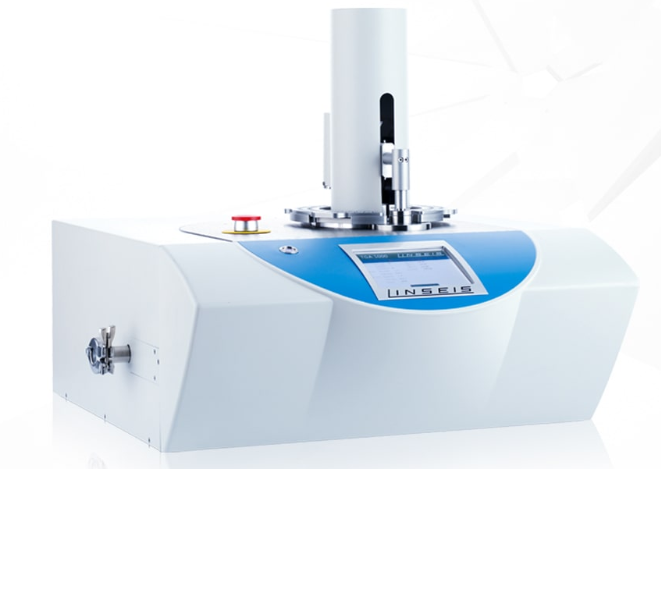
TGA Thermogravimetry / Thermal Balance
SKU: TGA Thermogravimetry / Thermal Balance -
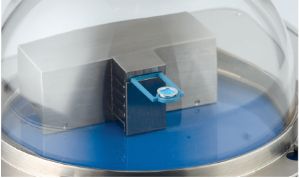
Thermal analysis – Chip DSC – DSC 100 + DSC 10
SKU: DSC 100 + DSC 10 -
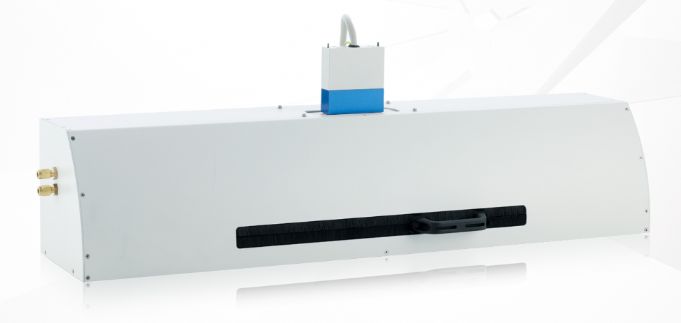
Thermal analysis – Hall Effects
SKU: Hall Effects -
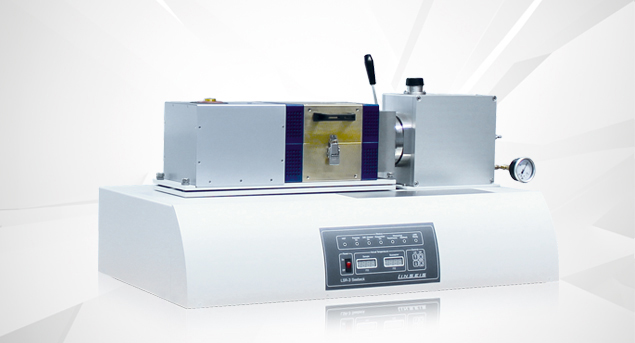
Thermal analysis – Thermoelectrics – LZT-Meter
SKU: LZT-Meter -
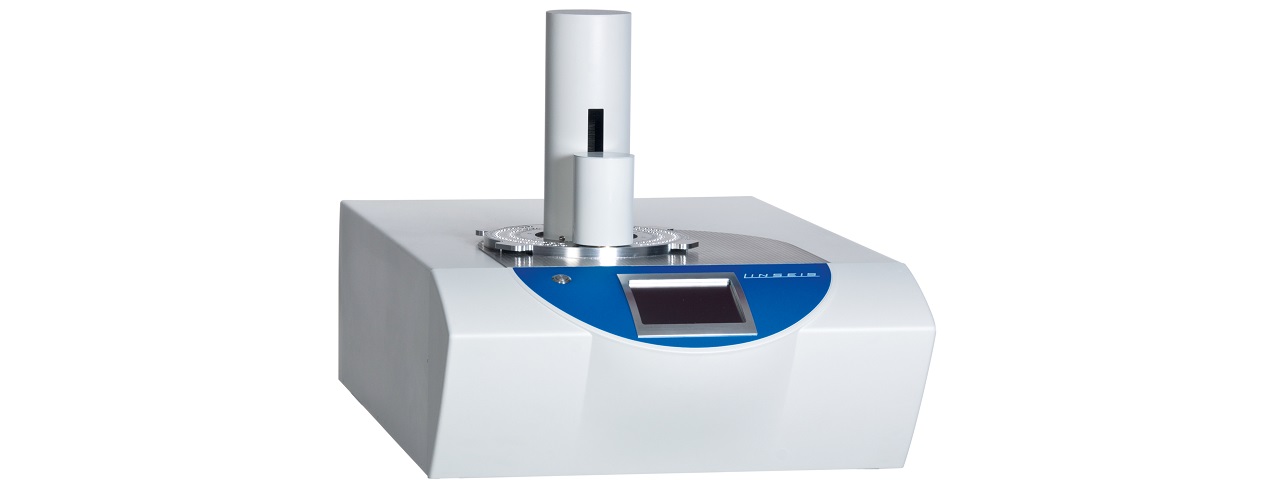
Thermal analysis -Differential Scanning Calorimetry – DSC
SKU: Differential Scanning Calorimetry -DSC -
Thermal analysis Differential Thermal Analysis – DTA
SKU: Differential Thermal Analysis - DTA -
Thermal analysis Dilatometer
SKU: Dilatometer -
Thermal analysis Heat Flow Meter
SKU: Heat Flow Meter -

Thermal analysis L75 Dilatometer – Dilatometer L75
SKU: Dilatometer L75 -Vertical/Optical/Lazer -
Thermal analysis LSR3 SEEBACK – Seebeck Coefficient & Electric Resistivity
SKU: Seebeck Coefficient & Electric Resistivity -
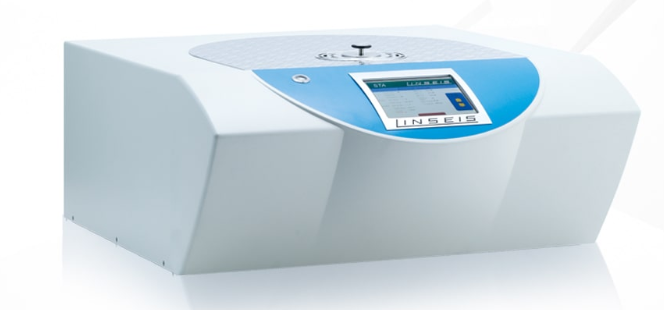
Thermal Analysis Simultaneous Thermal Analysis – STA
SKU: Simultaneous Thermal Analysis - STA -
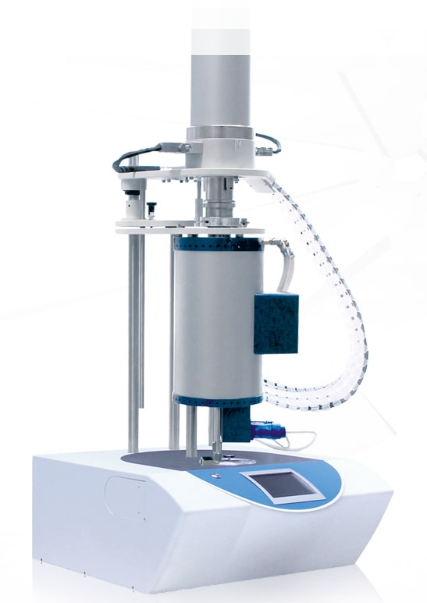
Thermal analysis TMA – Thermo Mechanical analysis – TMA
SKU: Thermo Mechanical analysis - TMA -
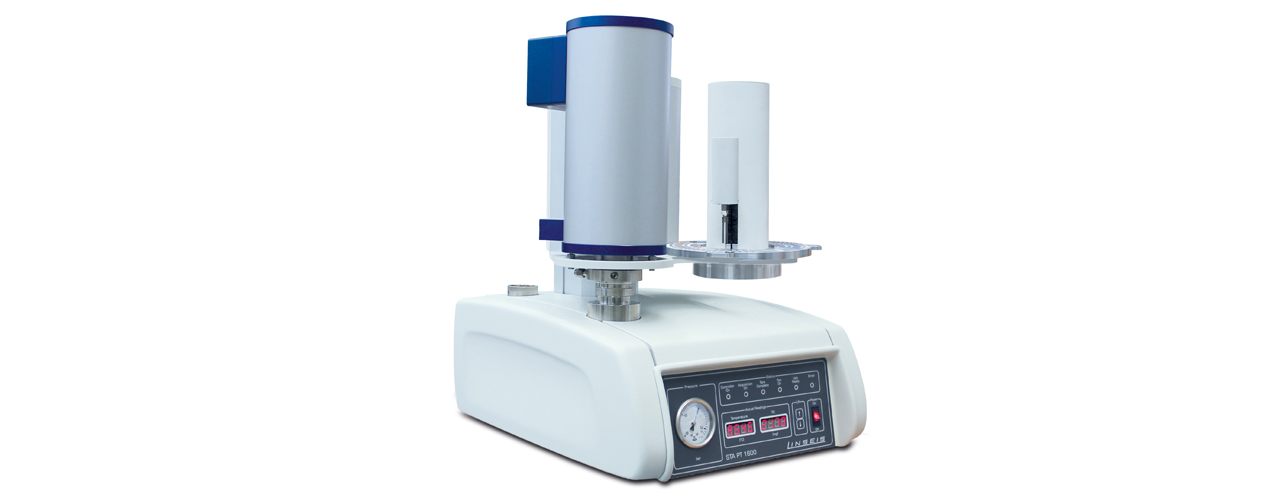
Thermal Diffusivity / Thermal Conductivity – XFA 300/600
SKU: XFA 300/600 -
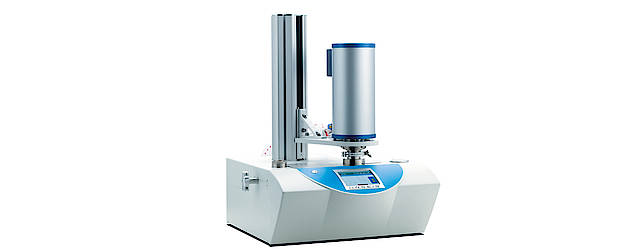
Thermal Interface Material Tester – Thermal Interface Material Tester (TIM- Tester)
SKU: Thermal Interface Material Tester (TIM- Tester) -
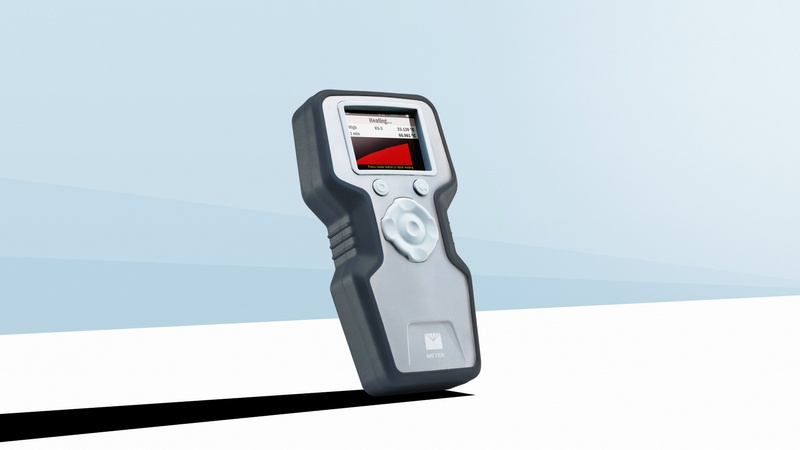
Thermal properties analyzer – TEMPOS
SKU: TEMPOS -
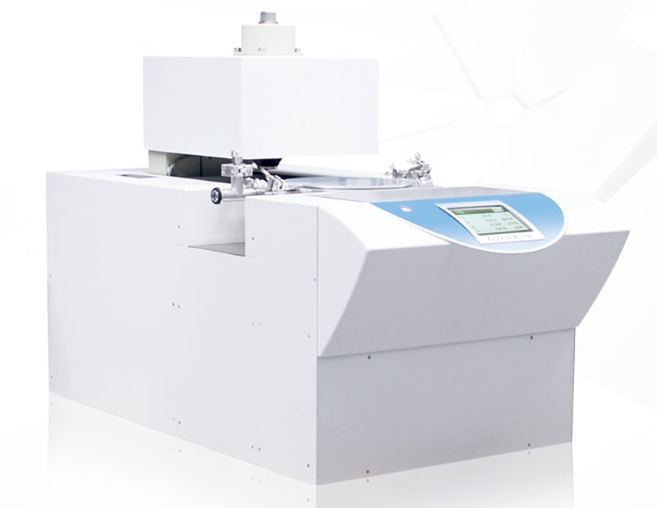
Thin Film Analyser
SKU: Thin Film Analyser
Thermal analysis is a core discipline in materials characterization, research and development, and industrial quality control. Thermal analysis instruments make it possible to examine how a material responds to changes in temperature, to heating and cooling, to mechanical load, or to exposure to controlled atmospheres. The measurements provide essential information on material stability, phase transitions, melting and crystallization temperatures, mass changes, thermal expansion, heat capacity, thermal conductivity and temperature-dependent mechanical properties.
Meteo-Tech's thermal analysis instruments category includes advanced systems designed for research laboratories, academic institutions, quality control laboratories and industrial plants. The wide range of technologies makes it possible to match the measurement method to the sample type, the temperature range, the test atmosphere, the required level of accuracy and the information you need to obtain.
What Is Thermal Analysis?
Thermal analysis is a group of measurement techniques in which a physical or chemical property of a material is monitored while the material is subjected to a controlled temperature program. During the test, the sample can be heated or cooled at a defined rate, held at a constant temperature, exposed to a changing surrounding atmosphere, or subjected to a mechanical load.
The system records the material's response throughout the process. Depending on the measurement technology, changes can be detected in heat flow, mass, dimensions, volume, structure, electrical resistance or mechanical properties.
These tests reveal not only the temperature at which a change occurs, but also its nature and magnitude, whether it is reversible, and how it affects the material's performance under real-world operating conditions.
Which Properties Can Be Measured with Thermal Analysis Instruments?
Thermal analysis instruments are used to measure and characterize a wide range of properties and processes, including:
- Melting and crystallization temperature
- Glass transition temperature
- Thermal stability
- Thermal decomposition
- Oxidation and oxidation resistance
- Loss of moisture, solvents and volatile components
- Mass changes resulting from heating
- Heat capacity
- Enthalpy of reactions and phase transitions
- Thermal expansion and contraction
- Coefficient of thermal expansion
- Changes in length, thickness or volume
- Softening and deformation of materials
- Thermal conductivity and thermal diffusivity
- Thermal resistance
- Mechanical behavior under heating
- Curing and cross-linking processes in polymers
- Structural transformations in metals and ceramics
- Thermoelectric properties
- Gas sorption and material behavior in controlled atmospheres
The results help compare raw materials, verify specifications, evaluate new formulations, perform failure analysis and select materials suited to the operating conditions of the final product.
The DSC Instrument for Measuring Thermal Transitions and Heat Flow
Differential Scanning Calorimetry, or DSC, is one of the most widely used thermal analysis techniques. The method measures the difference in heat flow between a material sample and a reference material during controlled heating or cooling.
DSC can be used to identify and characterize:
- Melting and crystallization
- Glass transition
- Curing and cross-linking reactions
- Oxidation
- Phase transitions
- Heat capacity
- Polymorphic changes
- Relative purity of materials
- Formulation stability
DSC systems are particularly well suited to the polymer, pharmaceutical, food, chemical, adhesive, coating and composite materials industries. They make it possible to compare batches, assess the effect of production conditions and examine how storage or aging affects the material.
For example, when testing a polymer, it is possible to identify the glass transition temperature, the crystallization region and the melting point. This information can inform the choice of processing temperature, storage conditions and the appropriate use of the material.
The TGA Instrument for Measuring Mass Changes
Thermogravimetric Analysis, or TGA, measures the change in a sample's mass as a function of temperature or time. The sample is weighed continuously during heating, cooling or an isothermal hold, usually under a controlled atmosphere.
TGA testing makes it possible to determine:
- Moisture content
- Solvent loss
- Decomposition of organic components
- Thermal stability
- Ash content
- Filler content
- Oxidation
- Reactions with gases
- Decomposition temperatures
- Kinetics of thermal processes
For example, when testing a plastic material, it is possible to identify the initial moisture loss, the decomposition of the polymer and the inorganic residue that remains at the end of the process. This information can be used to estimate the material's composition and to check whether it meets production requirements.
TGA systems are used in the fields of polymers, rubber, pharmaceuticals, cosmetics, fuels, metals, ceramics, building materials, batteries and composite materials.
The STA System for Simultaneous Thermal Analysis
An STA (Simultaneous Thermal Analysis) system typically combines a TGA measurement with a DSC or DTA measurement on the same sample under the same test conditions.
The main advantage of simultaneous testing is the ability to directly correlate a change in mass with a thermal event. For example, the system can show whether a particular thermal peak is caused by melting, decomposition, evaporation, oxidation or another process accompanied by a change in weight.
STA testing provides a more complete picture of the material while minimizing the discrepancies that can arise when separate tests are performed on different samples.
STA systems are particularly well suited to advanced research on:
- Minerals
- Ceramics
- Metals
- Catalysts
- Polymers
- Pharmaceuticals
- Energy materials
- Batteries
- Composite materials
- Fuels and chemical feedstocks
Systems can be selected that operate at high temperatures, at various pressures and under controlled gases, depending on the application and the type of material.
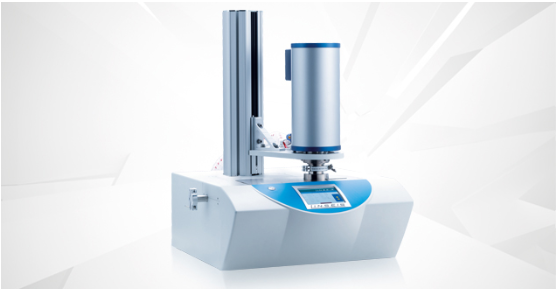
Differential Thermal Analysis DTA
Differential Thermal Analysis, or DTA, measures the temperature difference between the sample and a reference material during a heating or cooling program.
When an endothermic or exothermic process takes place in the sample, a difference develops between the sample temperature and the reference temperature. This difference makes it possible to detect thermal transitions, chemical reactions and structural changes.
DTA testing is used, among other things, to characterize:
- Phase transitions
- Melting
- Crystallization
- Oxidation
- Decomposition
- Reactions between materials
- Transformations in minerals and ceramics
The method is widely used in research on inorganic materials, glass, ceramics, metals, minerals and industrial raw materials.
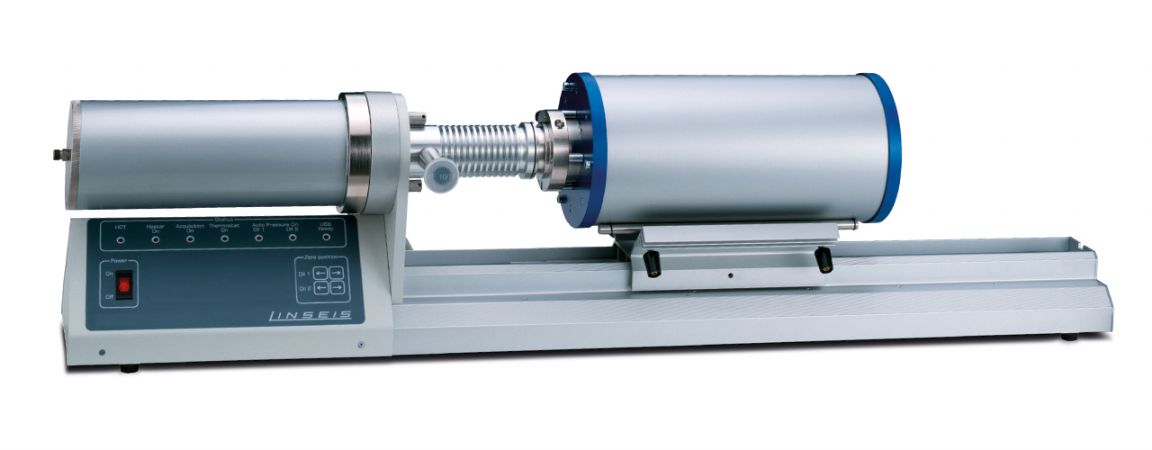
Dilatometers for Measuring Thermal Expansion
A dilatometer is an instrument that measures changes in a sample's dimensions resulting from heating or cooling. The measurement makes it possible to determine the coefficient of thermal expansion and to identify processes in which the material expands, contracts, softens or undergoes a structural change.
Dilatometers are used to test:
- Thermal expansion and contraction
- Coefficient of thermal expansion
- Softening temperature
- Sintering processes
- Structural changes
- Phase transitions
- Material behavior during heating and cooling cycles
- Compatibility between bonded materials
These measurements are especially important when several materials are combined in the same product. An excessive difference in expansion coefficients can cause internal stresses, distortion, cracking, delamination or joint failure.
Dilatometers are suitable for the ceramics, glass, metals, electronics, building materials, composites and polymer industries. Measurements can be performed over wide temperature ranges and, as required, with vertical, horizontal or optical systems.
Dilatometers for Rapid Metallurgical Processes
The metals industry sometimes requires very fast measurement of dimensional changes during heating and cooling at high rates. Dedicated dilatometers make it possible to study the relationship between heating rate, cooling rate, time and the structural transformations taking place in the material.
These systems are used to construct transformation diagrams, to research heat treatments and to examine processes such as:
- Hardening
- Quenching
- Tempering
- Controlled cooling
- Rapid heating
- Phase changes in steels and alloys
- Development of heat treatment profiles
This information helps engineers determine the right process conditions to achieve the desired hardness, strength, structure and durability.
Thermomechanical Analysis TMA
Thermomechanical Analysis, or TMA, measures the change in a sample's dimensions under a defined load during heating, cooling or an isothermal hold.
Unlike dilatometry, which focuses mainly on dimensional change caused by temperature, TMA can examine material behavior under various types of load and mechanical contact.
TMA can be used to test:
- Thermal expansion
- Softening
- Penetration
- Shrinkage
- Thickness changes
- Glass transition
- Creep
- Deformation under load
- Dimensional stability
- Behavior of layers, films and coatings
The method is suitable for polymers, elastomers, adhesives, coatings, composites, electronic components, glass, ceramics and multilayer materials.
Measuring Thermal Conductivity and Thermal Diffusivity
Thermal conductivity describes a material's ability to transfer heat. This property is important in the development of insulation materials, electronic components, building materials, cooling systems, batteries, metals, polymers and composites.
Systems for measuring thermal properties can provide data on:
- Thermal conductivity
- Thermal diffusivity
- Thermal resistance
- Volumetric heat capacity
- Heat transfer through a sample
- Temperature dependence of thermal properties
Several measurement methods are available, selected according to the material type, sample thickness, conductivity level, temperature range and sample geometry.
The Laser Flash or Xenon Flash Method
In the Flash method, one side of a sample is heated with a short energy pulse and the temperature rise on the opposite side is monitored. From the sample's response, the thermal diffusivity can be calculated and, combined with additional data, the thermal conductivity as well.
The method is suitable for metals, ceramics, graphite, polymers, composites and insulation materials. It enables measurements over wide temperature ranges using relatively small samples.
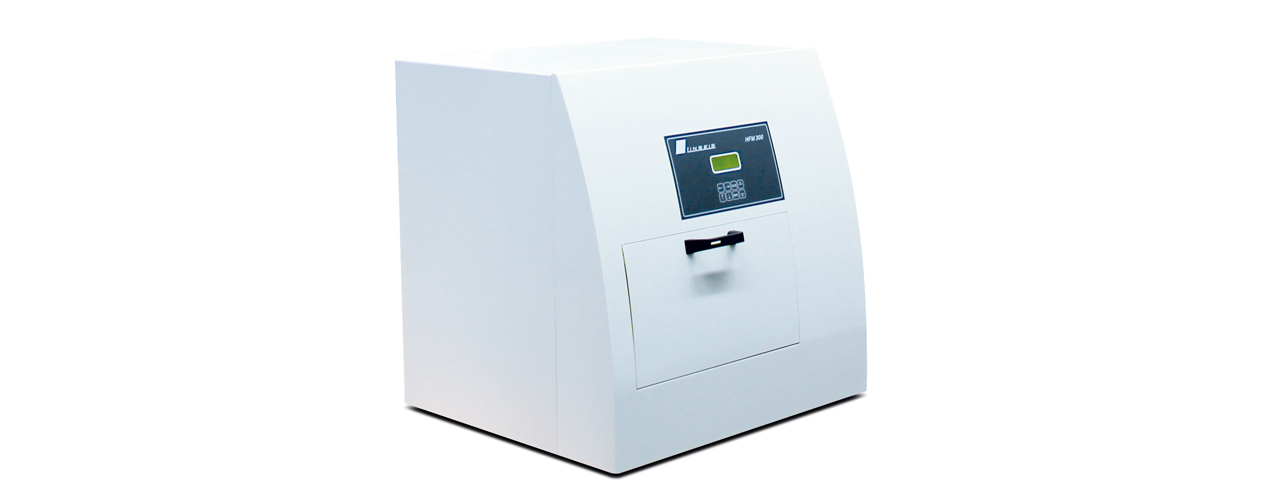
The Heat Flow Meter
A Heat Flow Meter is used to measure the thermal conductivity and thermal resistance of materials with low to medium conductivity. It is especially suitable for insulation materials, boards, foams, building materials and building envelope products.
The instrument makes it possible to compare insulation materials, examine batch-to-batch variation and verify product performance against development or quality control requirements.
Measuring Thermal Properties with the Transient Sensor Method
Portable or laboratory thermal property analyzers make it possible to measure thermal conductivity, thermal diffusivity and other properties of soil, rock, concrete, powders, food and soft materials.
Depending on the sensor type and the application, these systems may be suitable for field measurements, laboratory measurements or measurements directly inside the sample.
Testing Thermal Interface Materials TIM
Thermal Interface Materials, or TIM, are designed to improve heat transfer between two surfaces in contact. These materials are common in electronics, power components, batteries, computers, lighting systems and cooling systems.
A TIM tester makes it possible to measure parameters such as:
- Thermal resistance
- Effective thermal conductivity
- Dependence of resistance on thickness
- Effect of contact pressure
- Stability of material performance at different temperatures
- Uniformity between samples or batches
The test is suitable for thermal pastes, pads, films, thermal adhesives, phase-change materials and gap fillers for electronic interfaces.
Thermal Analysis of Thin Films
Measuring the thermal properties of thin films requires highly sensitive systems. When the material thickness ranges from nanometers to microns, the influence of the substrate, the interfaces and the film structure can be significant.
Thin-film thermal analysis systems are used in fields such as:
- Microelectronics
- Semiconductors
- Functional coatings
- Solar cells
- Sensors
- Optics
- Nanotechnology
- Energy components
- Protective layers
The measurement makes it possible to evaluate heat transfer through the film and to identify thermal limitations that may affect the component's reliability and performance.
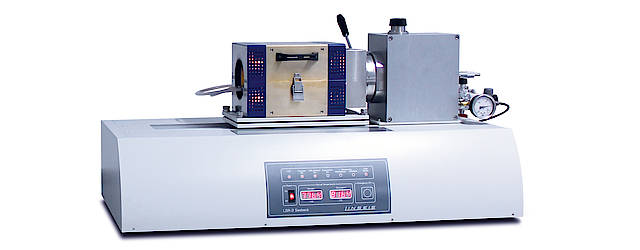
Characterization of Thermoelectric Materials
Thermoelectric materials can convert a temperature difference into an electrical voltage, or create a temperature difference using an electric current. They are used to generate energy from waste heat, for electronic cooling and in the development of advanced energy systems.
Characterization of a thermoelectric material may include measurement of:
- Seebeck coefficient
- Electrical resistance
- Electrical conductivity
- Thermal conductivity
- Thermal diffusivity
- Material behavior at different temperatures
- Thermoelectric figure of merit
Dedicated systems make it possible to measure several properties under the same conditions and to evaluate the material's suitability for energy conversion or cooling applications.
Using Hall Effect Measurements for Semiconductor Characterization
Hall Effect systems are used to characterize the electrical properties of semiconductors and electronic materials. They make it possible to measure parameters such as carrier concentration, carrier mobility, resistivity and carrier type in the material.
When the measurement is performed over a controlled temperature range, it is possible to examine how the electrical properties change as a result of heating or cooling. This information is essential for developing materials and components in microelectronics, optoelectronics, energy and sensors.
Measuring Gas Sorption under Thermal Conditions
Gas sorption measurement systems make it possible to study the interaction between a material and various gases under controlled temperature, pressure and atmosphere.
These systems are used in research on:
- Catalysts
- Powders
- Porous materials
- Batteries
- Minerals
- Membranes
- Gas storage materials
- Materials for separation processes
- Materials used for carbon dioxide capture
Combining thermal control with sorption measurement helps in understanding the material's capacity, reaction rate and stability over working cycles.
Melt Flow Index Testing for Polymers
A Melt Flow Indexer is used to measure the flow rate of a molten polymer under defined temperature and load conditions. The measurement provides an indirect indication of the material's viscosity and its behavior in processing.
Melt flow testing is common among raw material producers, injection molding plants, pipe manufacturers, packaging companies and plastics testing laboratories.
The test is used for:
- Comparing material batches
- Testing incoming raw materials
- Detecting changes in molecular weight
- Assessing the effect of recycling or aging
- Matching a material to an injection molding or extrusion process
- Quality control of polymers and plastic compounds
Plastics Testing: HDT and Vicat Methods
HDT and Vicat tests are designed to evaluate the behavior of plastic materials when heated under load or penetration.
Heat Deflection Temperature HDT
The Heat Deflection Temperature test determines the temperature at which a plastic specimen reaches a defined level of deflection under load. The result helps assess whether the material is suitable for use in a hot environment or under conditions in which a mechanical load is applied to it.
Softening Temperature Vicat
The Vicat test measures the temperature at which a needle with a defined cross-sectional area penetrates the specimen to a specified depth under a constant load.
These tests are common in the plastics, automotive, electrical, electronics, piping, packaging and building materials industries.
Combining Thermal Expansion and Wetting Measurements
In metallurgical processes, soldering and brazing, coating and joining of materials, it is important to understand both the dimensional change of the material and its wetting behavior at high temperature.
Combined systems can track the contact angle, the change in droplet shape and thermal expansion within the same process. This combination provides valuable information on the compatibility of metals, alloys, solders, ceramics and coatings.
Which Industries Use Thermal Analysis Instruments?
Polymers and Plastics Industry
In the plastics industry, thermal analysis is used to identify phase transitions, measure thermal stability, compare raw materials, determine melt flow rate, test softening and evaluate material behavior under heat and load.
Pharmaceutical Industry
In the pharmaceutical field, thermal analysis can be used to characterize active ingredients, identify polymorphs, test purity, assess stability, examine interactions between components and develop storage conditions.
Food Industry
In food, it is possible to study the melting and crystallization of fats, changes in proteins, moisture loss, thermal stability, starch transitions and the effect of processing and storage conditions.
Metals Industry
In metals and alloys, testing covers phase transitions, thermal expansion, oxidation processes, heat treatments, transformation kinetics and the relationship between material structure and properties.
Ceramics and Glass Industry
Thermal analysis is used to test sintering, softening, shrinkage, thermal expansion, compatibility between raw materials and structural changes at high temperatures.
Electronics and Semiconductors
In the electronics industry, testing covers thermal interface materials, thin films, coatings, semiconductor components and thermoelectric materials. The aim of the testing is to improve heat dissipation, stability and product reliability.
Energy and Batteries
In the research and development of batteries and energy materials, thermal stability, decomposition reactions, oxidation, heat transfer and material behavior under changing conditions are examined. This data is important for improving performance and safety.
Building and Insulation Materials
Building materials are tested to determine thermal conductivity, thermal resistance, dimensional stability, moisture content and behavior under temperature cycling.
How to Choose a Thermal Analysis Instrument?
Choosing the right system should be based on the purpose of the test and the characteristics of the sample. Before making a selection, it is recommended to define several key parameters.
Type of Information Required
Determine whether you need to measure heat flow, mass change, dimensional change, thermal conductivity, electrical properties or a combination of several measurements.
Temperature Range
Different instruments are designed for different ranges. Polymer testing may be carried out at low or moderate temperatures, while testing of ceramics, metals and minerals may require very high temperatures.
Test Atmosphere
Determine whether the test will be performed in air, nitrogen, argon, oxygen, vacuum or under a reactive gas. Some applications also require controlled switching between gases during the test.
Operating Pressure
When you need to simulate process conditions, gas reactions or specific industrial processes, an instrument capable of operating at high pressure or under vacuum may be required.
Sample Type and Size
Powders, liquids, solids, thin films, sheets, foams, metals and soft materials require different sample holders, sensors and measurement methods.
Heating and Cooling Rate
Some processes require a slow, controlled rate, while others call for rapid heating and cooling to simulate a production process or heat treatment.
Sensitivity and Resolution
Research on weak transitions, thin films or small samples requires a system with high sensitivity and low measurement noise.
Laboratory Throughput
In quality control laboratories that perform a large number of tests, test time, automation, an autosampler, ease of operation and the ability to generate reports quickly are all important.
Software and Data Analysis
The system software should support curve analysis, sample comparison, parameter calculation, baseline correction, data export and report generation according to the laboratory's needs.
Why Is Thermal Analysis Important in Quality Control?
Small changes in the raw material, composition, storage conditions or production process can affect how a product behaves at temperature. Thermal analysis testing makes it possible to detect these changes before the product reaches the customer or fails in service.
With consistent testing, you can:
- Compare production batches
- Verify incoming raw materials
- Detect contaminants or unwanted components
- Check compliance with specifications
- Identify a change in formulation
- Examine the effect of storage
- Analyze failed products
- Improve production processes
- Reduce rejects and material waste
- Document material performance over time
Sample Preparation and Correct Measurement Practice
The quality of the result depends not only on the instrument but also on sample preparation and test method design. Care should be taken to ensure a representative sample, an appropriate sample weight, proper contact with the sensor, the right choice of measurement vessel and a heating rate suited to the process being tested.
When developing a test method, it is important to consider:
- Sample history
- Storage conditions
- Particle size
- Material homogeneity
- Sample weight
- Crucible or holder type
- Gas flow rate
- Heating and cooling rate
- Start and end temperature
- Dwell time
- Repeat measurements and result verification
- Calibration and system performance checks
A consistent, documented method makes it possible to compare results obtained at different times and between different samples.
Calibration and Maintenance of Thermal Analysis Instruments
To maintain reliable results, calibration and periodic checks should be performed according to the system type and the manufacturer's instructions. Calibration may include verification of temperature, heat flow, mass, length change, force, gas flow rate or other parameters.
Routine maintenance may include:
- Cleaning the sample area
- Checking sensors
- Replacing consumable parts
- Checking the gas system
- Temperature verification
- Balance checks
- Leak testing
- Backing up methods and data
- Documenting periodic checks
Proper maintenance helps reduce drift, improve repeatability and extend the instrument's service life.
What Is the Difference Between DSC, TGA, STA, TMA and a Dilatometer?
DSC measures changes in heat flow and is used to identify thermal transitions such as melting, crystallization and glass transition.
TGA measures mass change and is used to test decomposition, moisture, volatiles, oxidation and residues.
STA combines several techniques, usually TGA with DSC or DTA, and makes it possible to correlate a change in mass with a thermal event.
TMA measures the change in a sample's dimensions under a defined mechanical load.
A dilatometer measures the expansion and contraction of a material resulting from a change in temperature and is particularly suitable for determining the coefficient of thermal expansion and for researching sintering processes and transformations.
No single method suits every need. Sometimes a combination of several technologies provides the most accurate and comprehensive picture.