
Understanding Rain Gauges: An Essential Tool for Precipitation Measurement Rainfall is a crucial aspect of weather patterns, influencing agriculture, water resource management, and various other sectors. To accurately measure rainfall, professionals rely on specialized instruments known as professional rain gauges. These devices provide precise data essential for meteorology, hydrology, and environmental studies.
Importance of Accurate Rainfall Measurement
Understanding rainfall patterns is vital for numerous reasons. It helps meteorologists predict weather conditions, assists farmers in managing irrigation, and enables scientists to study climate change trends. Moreover, accurate rainfall data is crucial for flood forecasting, drought monitoring, and water conservation efforts.
Professional rain gauges play a pivotal role in providing reliable measurements, ensuring that stakeholders have access to accurate rainfall data for informed decision-making.
Features of Professional Rain Gauges
Professional rain gauges are designed with precision and accuracy in mind. They are built to withstand harsh weather conditions, ensuring durability and long-term performance. These gauges utilize advanced mechanisms to capture and measure rainfall effectively.
Types of Professional Rain Gauges
There are several types of professional rain gauges available, each with its own method of measurement. Standard rain gauges, tipping bucket rain gauges, and weighing precipitation gauges are among the most common types used by professionals worldwide.
- Standard Rain Gauges: These gauges consist of a cylindrical container with a graduated scale, allowing for manual measurement of rainfall.
- Tipping Bucket Rain Gauges: Tipping bucket gauges use a mechanism where rainwater fills a small bucket, causing it to tip and record the amount of rainfall.
- Weighing Precipitation Gauges: These gauges measure rainfall by weighing the amount of water collected in a container, providing highly accurate data.
How Professional Rain Gauges Work
Professional rain gauges employ various mechanisms to measure rainfall accurately. Whether it’s through manual readings or automated systems, these gauges ensure precise data collection and analysis.
Choosing the Right Professional Rain Gauge
Selecting the appropriate rain gauge depends on factors such as accuracy requirements, installation environment, and budget constraints. Professionals must consider the gauge’s reliability, maintenance needs, and compatibility with existing monitoring systems.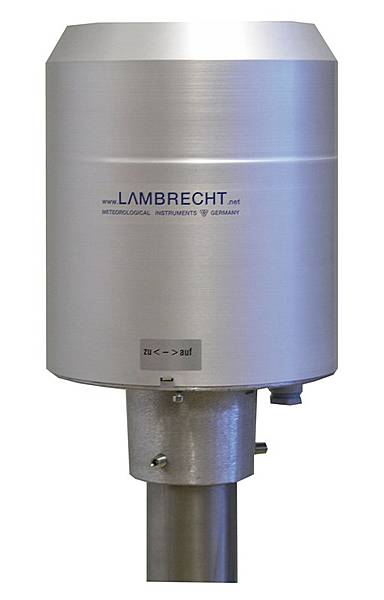
Applications of Professional Rain Gauges
Professional rain gauges find applications in meteorology, hydrology, agriculture, and environmental research. They help in weather forecasting, flood monitoring, and drought assessment, contributing to better resource management and disaster preparedness.
Advancements in Rain Gauge Technology
Recent advancements in rain gauge technology have led to the development of wireless and remote monitoring capabilities. These innovations allow for real-time data collection and analysis, improving accuracy and efficiency in rainfall measurement.