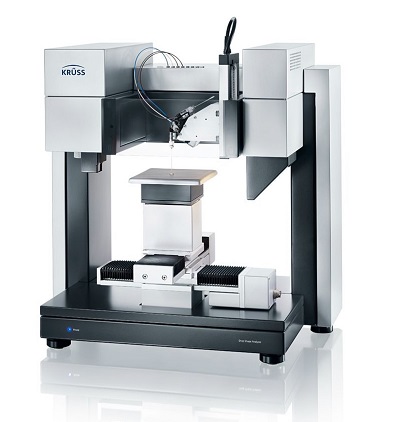
Laboratories are dynamic environments that require a wide array of equipment to facilitate research, experimentation, and analysis. Whether you are setting up a new laboratory or upgrading existing equipment, purchasing laboratory equipment requires careful consideration and planning to ensure that you acquire the tools necessary for your specific needs.
Laboratories are dynamic environments that require a wide array of equipment to facilitate research, experimentation, and analysis. Whether you are setting up a new laboratory or upgrading existing equipment, purchasing laboratory equipment requires careful consideration and planning to ensure that you acquire the tools necessary for your specific needs.
Introduction to Laboratory Equipment Purchasing
Investing in laboratory equipment is a significant decision that impacts the efficiency and effectiveness of scientific endeavors. From basic instruments like microscopes and centrifuges to sophisticated analytical devices such as spectrophotometers and chromatographs, each piece of equipment plays a crucial role in advancing scientific discovery.
Understanding Your Laboratory’s Needs
Before embarking on the purchasing journey, it is essential to assess your laboratory’s requirements comprehensively. Consider the nature of research conducted, the volume of samples processed, and the level of automation desired. Understanding these factors will guide you in selecting the most suitable equipment for your laboratory.
Types of Laboratory Equipment
Laboratory equipment can be broadly categorized into basic and specialized equipment. Basic equipment includes items like balances, pH meters, and pipettes, which are essential for routine laboratory operations. Specialized equipment, on the other hand, encompasses advanced instruments tailored to specific research disciplines such as molecular biology, chemistry, or microbiology.
Factors to Consider Before Purchasing
Several factors should influence your purchasing decision:
Budget
Determine a realistic budget allocation for acquiring laboratory equipment. Consider not only the initial purchase cost but also ongoing maintenance and operational expenses.
Quality and Reliability
Invest in equipment known for its quality and reliability. Opting for reputable brands and suppliers can minimize the risk of malfunctions and ensure consistent performance.
Technical Specifications
Evaluate the technical specifications of each equipment option to ensure compatibility with your research requirements. Consider parameters such as accuracy, precision, throughput, and sample compatibility.
Space and Compatibility
Assess the available space in your laboratory and ensure that the chosen equipment fits seamlessly into the workflow. Consider compatibility with existing instruments and infrastructure to avoid logistical challenges during installation.
Making the Purchase Decision
After gathering information and assessing various options, it’s time to make the purchase decision. Compare features, pricing, and terms from different suppliers. Don’t hesitate to negotiate prices or inquire about customization options to meet your specific requirements.
Installation and Training
Once the equipment is procured, ensure proper installation by trained professionals. Provide adequate training to laboratory staff to familiarize them with the equipment’s operation, maintenance, and safety protocols.
Maintenance and Support
Regular maintenance is essential to prolong the lifespan and performance of laboratory equipment. Follow manufacturer recommendations for calibration, cleaning, and preventive maintenance. Promptly address any issues or malfunctions to avoid disruptions in research activities.